
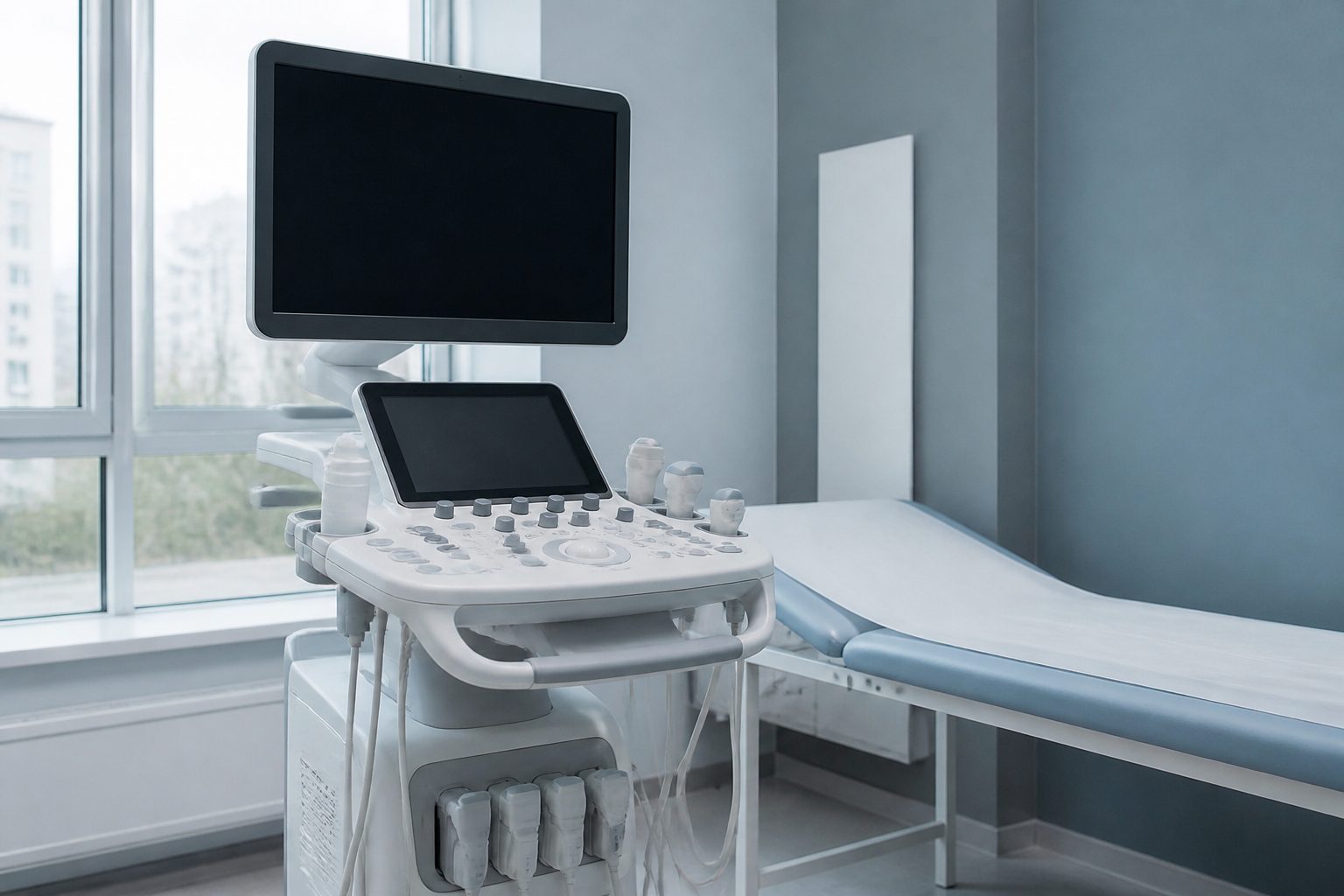
This guide is for patients and families comparing the cost of ultrasound scans in Pakistan and India, whether for routine health checks, specific diagnoses, or maternity care. Expect to pay between $12 and $60 per standard ultrasound, with comprehensive health check-up packages ranging from $40 to $200 at reputable diagnostic centres and hospitals.
We break down what’s included, what can add to your bill, and how to choose the right centre. You’ll also find price comparisons for related scans (MRI, CT, PET), tips for saving safely, and answers to common questions.
What is an ultrasound scan and when is it used?
An ultrasound scan, also known as a sonogram, is a diagnostic imaging technique that uses high-frequency sound waves to produce real-time images of organs, tissues, blood vessels, and other structures inside the body. Unlike X-rays or CT scans, ultrasound does not use ionizing radiation, making it especially safe for pregnant women, children, and regular monitoring. The procedure is non-invasive, typically painless, and can be performed quickly in outpatient settings.
Ultrasound is commonly used in a wide range of medical situations. In obstetrics, it monitors fetal development, detects congenital anomalies, and checks the health of the placenta and amniotic fluid. In general medicine, abdominal ultrasounds help diagnose gallstones, liver disease, kidney stones, and appendicitis. Pelvic ultrasounds are crucial for evaluating reproductive organs in both men and women, while thyroid and breast ultrasounds are used for detecting nodules, cysts, or tumors. Vascular ultrasounds assess blood flow and can identify clots or blockages.
In Pakistan and India, ultrasound scans are widely accessible at public hospitals, private clinics, and specialized diagnostic centers. Urban areas have advanced machines and experienced radiologists, while rural clinics may offer basic imaging. Many health check-up packages include ultrasound as a standard component, often paired with blood tests, ECG, and physical exams. This integration helps in early detection of common health issues such as fatty liver, kidney disease, and reproductive health problems.
Due to its affordability, speed, and safety, ultrasound is often the first imaging test ordered by doctors for a variety of complaints, from abdominal pain to suspected pregnancy. Patients can usually book appointments directly at private centers or through physician referrals at public hospitals. The widespread use and versatility of ultrasound make it a cornerstone of modern medical diagnostics in both Pakistan and India.
Typical ultrasound scan costs in Pakistan and India
Ultrasound scan prices in Pakistan and India are among the lowest worldwide, but they vary depending on the region, hospital or diagnostic centre, the type of ultrasound, and whether a specialist interpretation is required. A basic abdominal or pelvic ultrasound is usually the most affordable. Specialised scans such as Doppler studies, echocardiograms, or detailed pregnancy scans may cost more due to the expertise and equipment required.
Below are indicative prices for common ultrasound types in both countries. Prices are for self-paying patients and include the scan and standard report. Additional consultation or follow-up fees may apply.
| Scan type | Pakistan (USD/PKR) | India (USD/INR) |
|---|---|---|
| Abdominal ultrasound | $15–$30 (PKR 4,200–8,400) | $12–$25 (INR 1,000–2,100) |
| Pelvic ultrasound | $15–$28 (PKR 4,200–7,800) | $12–$22 (INR 1,000–1,800) |
| Obstetric (pregnancy) ultrasound | $18–$35 (PKR 5,000–9,800) | $15–$28 (INR 1,200–2,300) |
| Thyroid or neck ultrasound | $15–$25 (PKR 4,200–7,000) | $10–$22 (INR 800–1,800) |
| Breast ultrasound | $18–$32 (PKR 5,000–9,000) | $14–$28 (INR 1,100–2,300) |
| Doppler ultrasound | $25–$60 (PKR 7,000–17,000) | $20–$50 (INR 1,600–4,100) |
| Full-body ultrasound (part of check-up package) | $40–$120 (PKR 11,000–34,000) | $45–$140 (INR 3,700–11,500) |
What is included in the price?
The quoted price for an ultrasound scan in Pakistan and India generally covers several essential components, but it’s important to clarify what is—and is not—included before booking. Typically, the base fee includes the use of the ultrasound machine, the time and expertise of the sonographer or radiologist performing the scan, and a standard written report interpreting the findings. Most private hospitals and diagnostic centers also provide a CD, DVD, or digital download link containing the images, which can be shared with your referring doctor or kept for your records.
If you are referred for a scan by a doctor, the consultation fee for the initial assessment or for discussing the results is usually billed separately. This fee can vary depending on the specialist’s qualifications and the hospital’s reputation. In some cases, especially if the scan is part of a broader health check-up package, the ultrasound may be bundled with other investigations such as blood and urine tests, ECG, chest X-ray, and a general physician or specialist consultation. These packages often offer better overall value, particularly for annual screenings or preventive health checks.
However, some low-cost offers may only include a basic scan and a brief report, with additional fees for detailed interpretation, second opinions, or complex cases (such as suspected cancer or rare conditions). If you require a more in-depth analysis, or if the initial scan reveals abnormalities that need further clarification, expect to pay extra. Always ask for a full list of included services and confirm whether additional costs apply for follow-up scans, printed images, or urgent reporting. Being proactive about these details can help you avoid unexpected expenses and ensure you receive the level of care you need.
Health check-up packages: what’s included and average costs
Across urban centers in Pakistan and India, hospitals and diagnostic clinics offer a variety of health check-up packages designed for different age groups, genders, and health concerns. These packages are popular for preventive care and early detection of diseases, and they typically bundle several tests together for a competitive price. A standard package almost always includes an ultrasound scan—most commonly abdominal or whole-body—alongside essential blood and urine tests, an ECG (electrocardiogram), chest X-ray, and a physician’s review of all results.
Some packages are tailored for specific needs. For instance, women’s wellness packages often include pelvic or breast ultrasounds and may add gynecological consultations or cancer markers, while senior citizen packages focus on screening for chronic diseases like diabetes, hypertension, and heart disease. Executive or comprehensive packages, aimed at working professionals or those seeking a thorough assessment, may include advanced imaging, additional hormone or vitamin tests, and specialist consultations.
Costs for these packages vary by city, hospital reputation, and the range of tests included. In Pakistan, a basic package with ultrasound typically costs between PKR 8,000 and PKR 18,000 ($28–$65 USD), while executive packages can go up to PKR 35,000 ($125 USD) or more at top-tier hospitals. In India, basic packages range from INR 3,000 to INR 7,000 ($36–$84 USD), with comprehensive packages at reputed hospital chains or JCI/NABH-accredited centers costing INR 10,000 to INR 16,000 ($120–$190 USD). Women’s wellness packages are usually priced in the middle of this range, depending on the included tests and consultations.
When considering a package, always review the detailed list of included tests and services. Ask if there are extra charges for abnormal findings, additional scans, or follow-up consultations. Some packages may exclude certain advanced tests or specialist opinions, which are billed separately. It’s also wise to check if the package is valid only on weekdays, requires fasting, or includes any post-test counseling. By clarifying these points in advance, you can choose the most suitable package for your health needs and budget.
Comparing MRI, CT, and PET scan costs: Pakistan and India
When patients require advanced diagnostic imaging beyond ultrasound, options like MRI (Magnetic Resonance Imaging), CT (Computed Tomography), and PET (Positron Emission Tomography) scans are considered. These scans provide detailed information for complex conditions such as tumors, neurological disorders, and cardiovascular diseases. However, they are significantly more expensive due to the technology and expertise involved. In both Pakistan and India, while costs are lower than in North America or Europe, the price difference between scan types and locations can be substantial.
In Pakistan, an MRI scan typically ranges from PKR 6,000 to PKR 18,000 (about $20–$60 USD) depending on the body part, whether contrast dye is used, and the hospital’s reputation. In major cities like Karachi, Lahore, and Islamabad, private hospitals and diagnostic chains may charge at the higher end, especially for urgent or same-day reporting. CT scans usually cost between PKR 5,000 and PKR 15,000 ($17–$50 USD), with brain and chest scans being most common. PET scans, which are mainly used for cancer diagnosis and staging, are less widely available and can cost between PKR 60,000 and PKR 120,000 ($200–$400 USD), often only in large urban centers.
In India, MRI scans generally range from INR 3,000 to INR 10,000 ($36–$120 USD), with metropolitan areas like Delhi, Mumbai, and Bangalore on the higher side. CT scans cost between INR 2,000 and INR 8,000 ($24–$96 USD), and PET scans—available in specialized cancer centers—can cost INR 18,000 to INR 35,000 ($215–$420 USD). Public hospitals may offer subsidized rates, but waiting times can be long.
These prices usually cover the scan itself, a radiologist’s written report, and digital images (CD or online access). Additional costs may apply for contrast agents (sometimes essential for clearer images), sedation (for children or anxious patients), and expedited reporting. Always check if these extras are included when comparing quotes, and ask about insurance coverage or government subsidy options where available.
Hidden and extra costs to watch for
While the advertised price for an ultrasound or imaging scan may seem straightforward, patients in Pakistan and India should be aware of potential hidden or extra costs that can significantly increase the final bill. Some of these costs are not always disclosed upfront, especially at smaller clinics or during busy periods at hospitals.
- Consultation fees: If you require interpretation or follow-up with a specialist such as a gynecologist, endocrinologist, or radiologist, expect to pay a separate consultation fee. This can range from PKR 1,000–3,000 in Pakistan or INR 500–2,000 in India, depending on the doctor’s experience and location.
- Repeat or follow-up scans: Sometimes, additional scans are recommended if the initial results are unclear or if monitoring is needed over time. Each repeat scan is typically charged at the same rate as the first.
- Urgent or out-of-hours charges: If you need a scan outside of regular working hours or require a rapid report (within hours instead of days), expect to pay a premium. Emergency or same-day services can add 20–50% to the base price.
- Contrast agents: For certain types of ultrasound or more advanced scans (CT, MRI), contrast dye may be necessary to improve image clarity. This is usually billed separately and can cost an additional PKR 2,000–5,000 or INR 1,000–3,000.
- Printed images or extra copies: While digital copies are often included, hard copies or additional image prints may incur extra charges. This is common when patients require documentation for insurance or second opinions.
- Home-visit or portable scans: Some urban centers offer the convenience of portable ultrasound machines for home-bound patients. This service is typically more expensive due to travel and setup costs.
To avoid surprises, always request a detailed, written breakdown of all potential costs before your appointment. If you are booking a health check-up package or multiple tests, ask whether repeat scans, additional consultations, or abnormal findings will result in extra charges. For insured patients, confirm with your provider which scans are covered, any applicable co-payments, and whether pre-authorization is needed. These steps can help you budget accurately and prevent unexpected expenses.
How to save safely on scan and check-up costs
To keep costs under control without compromising safety or accuracy, consider the following tips:
- Compare prices and packages at 2–3 reputable centres before booking.
- Look for accredited hospitals or diagnostic labs (JCI, NABH, CAP, ISO) for added quality assurance.
- Ask if you can bring an outside doctor’s referral, which may waive the consultation fee.
- Inquire about discounts for cash payment, senior citizens, or bundled tests.
- For repeat scans, ask if previous images/reports can be reused for comparison, potentially reducing the number of required tests.
- Be cautious with extremely low prices—ensure the centre uses up-to-date equipment and reports are reviewed by a qualified radiologist.
Avoid standalone, unregulated clinics offering unusually cheap scans, as poor-quality imaging or reporting can delay diagnosis and lead to unnecessary repeat tests.
How to choose a diagnostic centre or hospital
When selecting where to have your ultrasound scan or health check, keep these factors in mind:
- Accreditation: Look for centres accredited by JCI, NABH, or local health authorities.
- Radiologist expertise: Ensure scans are interpreted by a certified radiologist, not a technician alone.
- Equipment: Newer, high-resolution ultrasound machines offer clearer images and better diagnostic accuracy.
- Patient reviews: Seek word-of-mouth or online feedback about service quality, wait times, and cleanliness.
- International patient support: Larger hospitals and some private centres offer English-language reports and patient coordinators.
If you are considering a full-body check-up, ask for a sample report and details of which scans and blood tests are included. For maternity or specialist scans, confirm the experience of the radiologist or sonographer in your specific condition.
Planning your visit: practical tips
Most urban diagnostic centres in Pakistan and India offer same-day or next-day appointments for ultrasound scans. Walk-in services are common, but booking ahead is recommended for specialised scans or comprehensive check-up packages. Bring your doctor’s referral and any previous reports or images to help the radiologist compare findings.
For abdominal or pelvic ultrasounds, you may need to fast for a few hours or arrive with a full bladder. Confirm instructions when booking. Results are usually ready within a few hours to one day for routine scans; more complex reports may take longer.
Payment is typically due at the time of service. Most centres accept cash, card, and sometimes digital wallets. International patients should confirm accepted currencies and whether English-language reports are available.
Frequently asked questions
How much does a basic ultrasound scan cost in Pakistan and India?
In both countries, a standard abdominal or pelvic ultrasound typically costs $12–$30 at reputable diagnostic centres. More specialised scans, such as Doppler studies or detailed pregnancy ultrasounds, may cost up to $60. Prices can vary by city and hospital.
Are health check-up packages with ultrasound worth it?
Health check-up packages can offer good value if you need multiple tests, as they bundle ultrasound with blood tests, ECG, and a doctor’s review. However, always check which tests are included and whether the package suits your age, gender, and health needs.
Do public hospitals offer lower ultrasound prices?
Yes, government hospitals in both Pakistan and India often offer ultrasound scans at subsidised rates, sometimes as low as $5–$10. However, wait times may be longer, and English-language reports may not always be available. Private centres offer faster service but at higher prices.
What should I bring to my ultrasound appointment?
Bring your doctor’s referral, any previous scan reports, and your ID. For abdominal or pelvic scans, follow fasting or bladder instructions. Arrive early to complete paperwork, and ask the centre if you need to bring any specific documents or medical history.
Are ultrasound scans covered by health insurance?
Many private health insurance plans in Pakistan and India cover medically-indicated ultrasounds, especially for pregnancy or diagnosis. Coverage for health check-up packages is less common. Always check with your insurer and get pre-authorisation if required.
Related guides
Disclaimer: Prices and package details in this guide are indicative and can vary by location, hospital, and individual case. Always request a written quote and consult a qualified doctor or radiologist for medical advice tailored to your needs.