
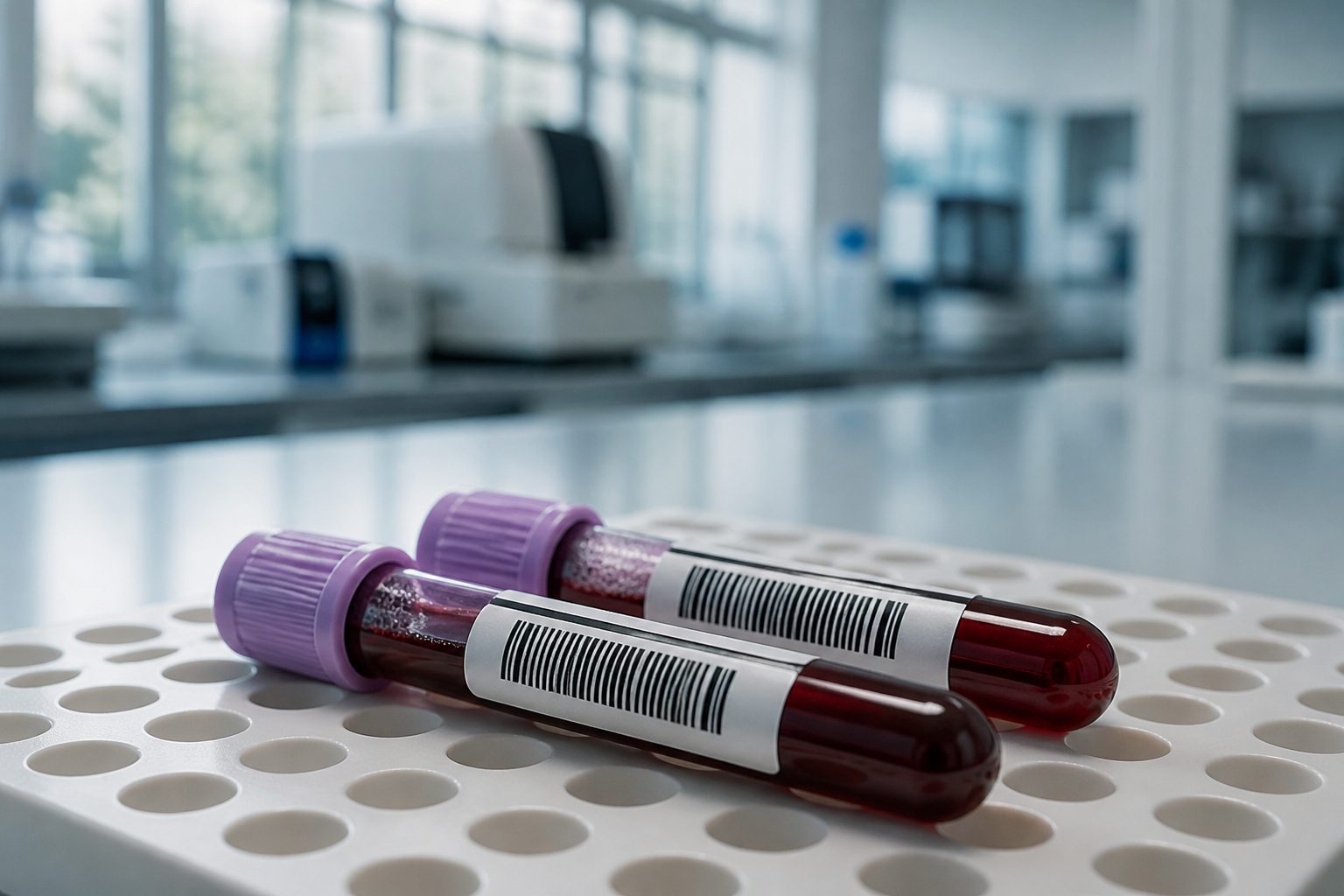
Vitamin D and B12 blood tests are routine diagnostics used to check for common deficiencies that can impact energy, immunity, and bone health. If you’re comparing costs across countries, expect to pay anywhere from $8 in South Asia to $90 or more in the US, with wide variations depending on where the test is done and what’s included.
This guide is for anyone considering a standalone vitamin D or B12 test, or looking at health check-up packages that include these labs. We compare prices in India, Pakistan, Bangladesh, Indonesia, the Philippines, and the US, and explain what’s included, where to get tested, and how to avoid hidden fees.
What do vitamin D and B12 tests check for?
Vitamin D and B12 are essential nutrients. Deficiency in either can cause a range of symptoms, from fatigue and muscle pain to anemia and nerve issues. Blood tests measure your current levels, helping doctors diagnose deficiency or monitor treatment. These tests are often recommended for people with symptoms, those with risk factors (like vegetarian diets, limited sun exposure, or certain medical conditions), or as part of annual health check-ups.
The most common vitamin D test is the 25-hydroxyvitamin D (25(OH)D) test. For B12, the serum vitamin B12 test is standard. Sometimes, additional related tests (like homocysteine or methylmalonic acid) are ordered if results are borderline or symptoms persist.
How much do vitamin D and B12 tests cost in 6 countries?
Prices for vitamin D and B12 tests vary widely by country, city, provider type (public hospital, private lab, or hospital), and whether they’re included in a package. The table below compares indicative out-of-pocket costs for a single test (not as part of a full health check) in each country. Prices are for walk-in patients and may be lower if booked online or as part of a package.
| Country | Vitamin D Test | Vitamin B12 Test | Combined in Package? | Typical Turnaround |
|---|---|---|---|---|
| India | $9-$18 (₹750-1,500) | $8-$15 (₹650-1,200) | Yes, in check-up bundles | 12-48 hours |
| Pakistan | $11-$20 (PKR 3,000-5,500) | $9-$17 (PKR 2,400-4,800) | Yes, in health packages | 24-48 hours |
| Bangladesh | $15-$22 (৳1,600-2,300) | $13-$20 (৳1,400-2,100) | Yes, in basic panels | 24-72 hours |
| Indonesia | $25-$38 (IDR 400,000-600,000) | $22-$31 (IDR 350,000-500,000) | Yes, in premium check-ups | 24-72 hours |
| Philippines | $27-$45 (PHP 1,500-2,500) | $24-$40 (PHP 1,200-2,200) | Yes, at major labs/hospitals | 24-72 hours |
| United States | $50-$90 | $40-$80 | Rarely bundled; usually separate | 1-3 days |
What is included in the test price?
The listed price for a vitamin D or B12 test usually appears straightforward, but it’s important to understand exactly what is covered to avoid unexpected costs. Typically, the test price includes three main components:
- Blood sample collection: This is the phlebotomy fee—covering the cost of drawing your blood, using sterile equipment, and safe disposal of medical waste. In many South Asian countries, this fee is bundled into the overall test price, while in the US or Europe, it may be itemized separately.
- Laboratory analysis: The core of the charge is for the actual chemical analysis of your blood sample using specialized machines. The cost here can vary based on the technology used (e.g., immunoassay vs. chemiluminescence), the lab’s scale, and the complexity of the test. Larger labs with high throughput can often offer lower per-test costs.
- Reporting: You’ll receive a printed or digital report, usually within 24-48 hours. The report details your vitamin D or B12 levels and reference ranges, and may include basic comments or flags for abnormal results.
However, there are potential extra charges to consider. Some diagnostic centres, especially in the US and Europe, may add a registration or administrative fee, particularly for first-time patients. If you want a doctor to interpret your results or need a formal consultation, this is often billed separately. In India and Pakistan, many labs offer free home sample collection when booked online, but in Southeast Asia or the US, home visits generally incur an extra charge—ranging from a few dollars to $20 or more.
In the United States, the situation is more complex: the lab fee may not include the cost of a doctor’s visit to order or interpret the test, and insurance may only cover the test if it is deemed ‘medically necessary’ (i.e., you have symptoms or risk factors). If you self-refer or use a walk-in lab, you may pay the full price out-of-pocket. Always ask for a detailed breakdown of what’s included before booking, and check if there are package deals or online discounts available, especially in competitive markets like India, Bangladesh, or Indonesia.
Where to get vitamin D and B12 tests
Vitamin D and B12 blood tests are widely available in most countries, but the choice of provider can affect convenience, cost, and speed of results. Here are the main options:
- Standalone diagnostic labs: These are independent, often nationwide chains such as Dr Lal PathLabs or SRL (India), Chughtai Lab (Pakistan), Pathao Health (Bangladesh), Prodia (Indonesia), Hi-Precision (Philippines), and Quest Diagnostics (US). They specialize in laboratory services and typically offer both single tests and bundled health packages. These labs are usually competitively priced and may have multiple collection centres in cities and towns.
- Hospital-based labs: Both public and private hospitals have in-house laboratories. Public hospitals may offer lower prices, especially for residents or those with national health insurance, but can have longer wait times. Private hospitals are often more expensive but may provide faster service, English-language support, and additional amenities.
- Health check-up clinics: These are dedicated centres, sometimes located in malls or medical complexes, focusing on preventive health screenings. They often offer packages that include vitamin D and B12 tests, and may provide doctor consultations and lifestyle counseling as part of the service.
In urban areas across South and Southeast Asia, large labs and hospital networks frequently promote bundled packages that combine vitamin D, B12, and other common tests (CBC, liver/kidney function, thyroid, blood sugar), offering significant savings compared to ordering each test separately. For those who only need vitamin D or B12, standalone tests are available, though the per-test cost is usually higher than in a package.
Booking methods can also influence cost and convenience. In India, Pakistan, and Indonesia, booking online or via mobile apps often secures a lower rate than walk-in prices and may include free home sample collection. In the US and Europe, online booking is also common, but home collection is less widely available and usually costs extra. Always compare prices and check for special offers or seasonal discounts before making an appointment. If you have insurance, confirm whether your chosen provider is covered and if a doctor’s referral is required.
Full-body health check-up packages: What’s included?
Full-body health check-up packages are designed to provide a thorough overview of your current health status and can be a cost-effective way to screen for multiple conditions at once. The exact components vary by provider and country, but most comprehensive packages include a broad range of tests and examinations. For example, a typical package in India or Pakistan may include:
- Blood tests: These often cover a complete blood count (CBC), blood sugar (fasting and postprandial), lipid profile (cholesterol and triglycerides), liver function tests, kidney function tests, thyroid profile, and, in more comprehensive options, vitamin D and vitamin B12 levels. Some packages also check for markers of infection or inflammation.
- Urine analysis: This screens for kidney health, diabetes, and urinary tract infections.
- Imaging: A chest X-ray and/or electrocardiogram (ECG) are common, especially for adults over 40, to assess heart and lung health. Some higher-end packages include abdominal ultrasound to check liver, gallbladder, kidneys, and reproductive organs.
- Physical examination: A doctor will usually perform a general physical assessment, including blood pressure, weight, and medical history review.
- Specialized screenings: Depending on age, gender, and risk factors, some packages offer cancer screening (e.g. Pap smear, PSA), bone density, or basic cardiac stress tests.
Costs reflect the scope of the package and the country’s healthcare pricing. In South Asia (India, Pakistan, Bangladesh), packages can cost as little as $35 for basic checks and up to $100 for more extensive panels. In Southeast Asia (Thailand, Indonesia, Philippines), expect to pay $70-$200, often depending on whether the facility is public or private. In the United States, prices jump significantly, with similar check-ups ranging from $250 to $800, largely due to higher labor and facility costs.
These packages offer good value for those needing several tests, as bundled pricing lowers the per-test cost. However, not all packages automatically include vitamin D or B12 tests—these are sometimes omitted from basic packages to keep prices competitive. Always review the detailed test list before booking, and ask if you can add specific vitamins for a small surcharge if they are not included. Some providers allow customization or offer seasonal discounts, especially for online bookings.
Hidden costs and tips to save
- Doctor consultation: Not always included. If you need a doctor to interpret the results, expect to pay $5-$30 extra in South Asia, $20-$60 in SE Asia, and $50-$200 in the US.
- Repeat/follow-up tests: If your levels are borderline, doctors may recommend retesting after 3-6 months. Ask if there are discounts for repeat labs.
- Home sample collection: Free in some Indian and Pakistani metro areas if booked online; $2-$10 extra elsewhere.
- Online booking: Many labs offer 10-30% discounts for prepaid online bookings or package deals. Compare a few providers before choosing.
- Insurance: In the US, insurance may not cover vitamin D or B12 tests unless a doctor orders them for a medical reason. In South and Southeast Asia, tests are usually paid out-of-pocket.
How to choose a diagnostic centre or hospital
Selecting the right diagnostic centre or hospital for your vitamin D and B12 tests—or a full health check-up—can affect both your experience and the reliability of your results. Start by checking for accreditation: in India, look for NABL (National Accreditation Board for Testing and Calibration Laboratories) certification; in the US, CAP (College of American Pathologists) or JCI (Joint Commission International) are respected standards. Accreditation ensures stringent quality controls and regular audits.
- Lab technology: Modern, automated labs use advanced analyzers that minimize human error and deliver faster, more accurate results. Ask if the lab uses fully automated systems, especially for specialized vitamin assays.
- Transparent pricing: Reputable centres display their prices online or at the facility. This helps avoid hidden charges. In countries like India and the Philippines, online booking platforms often show discounted rates compared to walk-in prices.
- Turnaround time and reporting: Fast results (often same-day or next-day) are important for timely diagnosis. Look for providers offering digital reports via email or app, which is now standard in many urban centres.
- Accessibility: Consider location—urban labs are usually more convenient and may offer home sample collection, which is increasingly popular in South Asia and Southeast Asia. For those with mobility issues or busy schedules, this can be a deciding factor, though it may add a small fee in some countries.
- Doctor support: Some centres include a brief doctor consultation to explain results, while others charge extra. This service is valuable if you need help interpreting your vitamin D or B12 levels, especially if you are managing chronic health issues.
For expatriates or medical tourists, large private hospitals or international clinics in major cities (like Bangkok, Singapore, or Dubai) are more likely to handle foreign insurance, provide English-language reports, and offer a higher level of customer service. Independent diagnostic labs are usually more affordable, but always check online reviews for reliability and accuracy. In regions with less regulation, stick to well-known chains or hospital-based labs to minimize the risk of errors.
Practical steps: Check the lab’s website for accreditation logos, read recent customer reviews, compare prices for your required tests, and confirm whether the price includes all fees (sample collection, reporting, doctor consultation). If you have insurance, verify if the centre is empaneled with your provider. Booking online often secures the best rates and may offer additional discounts or home collection options.
What drives the price of these tests?
The cost of vitamin D and B12 tests is influenced by multiple factors that vary widely depending on the country, healthcare system, and provider. Here are the key drivers:
- Country and city: Wealthier countries and major urban centers tend to have higher costs due to greater labor expenses, facility overheads, and regulatory requirements. For example, a vitamin D test that costs $10–$15 in India may be $50–$150 in the US. Even within a country, prices can be higher in large cities like Mumbai, Jakarta, or New York compared to smaller towns.
- Lab technology and scale: Labs with automated, high-throughput analyzers can process more samples efficiently, often reducing per-test costs. Smaller or less-equipped labs may charge more for the same test, especially if they outsource specialized assays to central labs.
- Public vs. private sector: Public hospitals or government labs may subsidize test costs, making them more affordable but often with longer turnaround times and less flexible scheduling. Private labs and hospitals generally offer faster service and more amenities but at a premium price.
- Package vs. standalone pricing: Ordering vitamin D and B12 tests as part of a bundled health check-up can significantly lower the per-test cost. Standalone tests are usually more expensive, particularly in private settings.
- Sample collection location: Home collection services, now common in India, Pakistan, and Indonesia, add convenience but may increase the price, especially outside major cities or in countries where such services are less common (like the US or UK).
- Consultation and reporting: If the price includes a doctor’s consultation or detailed interpretation, expect higher overall costs. Some providers charge separately for this service.
In the US, insurance status is a major factor: if your test is not considered ‘medically necessary’ by your insurer, you may pay the full out-of-pocket cost, which can be substantial. Conversely, in South and Southeast Asia, intense competition among labs—especially in large cities—helps keep prices low, and online discounts or package deals are widely available. Additional factors such as accreditation status, brand reputation, and location can also play a role. To get the best value, compare several providers, check for bundled offers, and confirm what is included in the quoted price before booking.
Frequently asked questions
1. Do I need a doctor’s prescription for vitamin D or B12 tests?
In most South and Southeast Asian countries, you can request these tests at any diagnostic lab without a prescription. In the US and some private hospitals, a doctor’s order may be required, especially for insurance coverage.
2. How long does it take to get results?
Most labs in India, Pakistan, Bangladesh, Indonesia, and the Philippines provide results within 24-72 hours. In the US, results are usually available in 1-3 business days, sometimes faster for urgent cases. Some labs offer same-day or next-day reports for an extra fee.
3. Are home sample collection services reliable?
Reputable diagnostic labs in major cities offer reliable home sample collection, using trained phlebotomists and proper sample handling. Always use a well-known provider and check for accreditation when possible. Confirm that all fees (including transport) are disclosed upfront.
4. What if my results are abnormal?
If your vitamin D or B12 levels are outside the normal range, consult a qualified doctor to discuss possible causes and treatment options. Don’t self-medicate based on lab results alone; excess supplementation can be harmful.
5. Can I trust online lab test offers?
Many reputable labs offer online discounts, but be cautious of unknown providers, especially those with very low prices. Check for accreditation, physical branches, and customer reviews before booking. Avoid labs with unclear pricing or no customer support.
The bottom line
Vitamin D and B12 blood tests are affordable and widely available in South and Southeast Asia, costing as little as $8-$15 each, or less when bundled in a health check-up. In the US, prices are substantially higher, especially for self-pay patients. Always check what’s included in the price, compare a few providers, and consider booking a package if you need multiple tests. Consult a doctor for interpretation and next steps if your results are abnormal.
Related guides
Disclaimer: All prices are indicative and may vary by provider, city, and individual case. Test options, inclusions, and turnaround times differ between hospitals and labs. Always get a written quote and consult a qualified doctor for medical advice and interpretation of test results.