
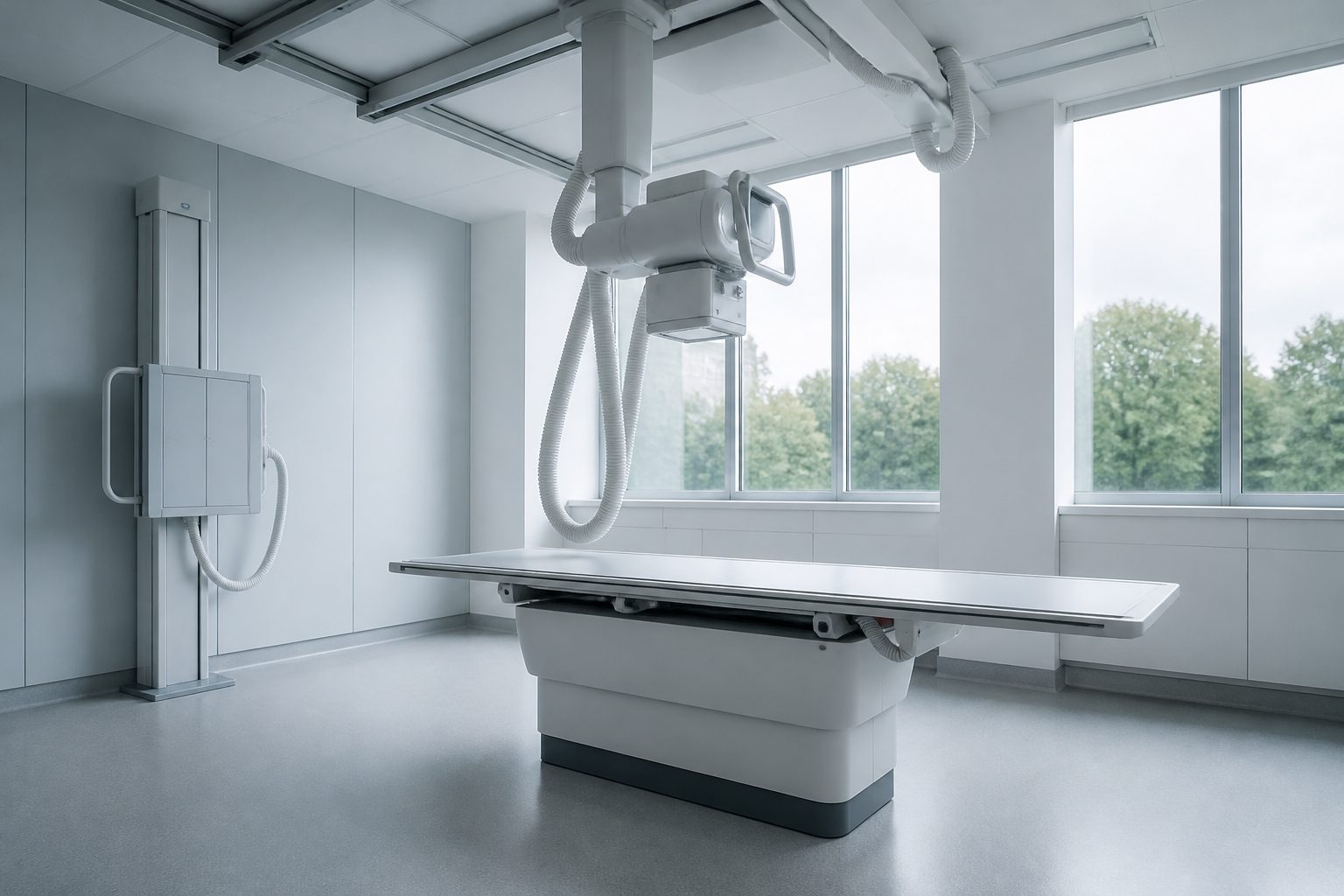
This guide is for patients and families comparing X-ray prices across Asia. Whether you need a single chest X-ray or a series for a health check-up, knowing the typical costs and what’s included can help you plan and avoid surprises.
In most Asian countries, a standard X-ray costs between $8 and $60, depending on the country, city, and type of facility. Here you’ll find real-world pricing, what affects the cost, tips for choosing a quality diagnostic centre, and key questions to ask.
X-ray costs across Asia: Country comparison table
X-rays are among the most common diagnostic tests. Costs can vary widely, even within the same city. The table below shows typical prices for a standard chest X-ray at private diagnostic centres or hospitals in major cities. Prices are indicative and can change with location, facility reputation, and whether you use government or private providers.
| Country | Typical X-ray Cost (USD) | Local Currency | Includes | Notes |
|---|---|---|---|---|
| India | $8–$18 | ₹650–1,500 | X-ray, basic radiologist report | Lowest prices at standalone labs; higher at top hospitals |
| Pakistan | $10–$20 | PKR 2,800–5,600 | X-ray, report | Big cities: higher at private hospitals |
| Bangladesh | $10–$15 | ৳1,100–1,700 | X-ray, basic report | Dhaka: most affordable at independent labs |
| Indonesia | $18–$35 | IDR 280,000–550,000 | X-ray, report | Jakarta private centres cost more than public hospitals |
| Philippines | $15–$40 | ₱850–2,300 | X-ray, radiologist report | Metro Manila: higher at top hospitals |
| Thailand | $20–$60 | ฿700–2,200 | X-ray, report, digital copy | Bangkok private hospitals are highest |
| Malaysia | $12–$30 | RM 55–135 | X-ray, report | Kuala Lumpur, Penang: variable by hospital |
| Vietnam | $12–$28 | VND 300,000–660,000 | X-ray, report | Hanoi, HCMC: public vs. private gap |
| Singapore | $40–$80 | SGD 54–108 | X-ray, digital copy, report | Private clinics/hospitals highest |
What is included in the price
The quoted X-ray price at most diagnostic centres and hospitals in Asia typically includes the procedure itself and a brief radiologist report. However, there are important differences to check in advance:
- Report type: Most centres provide a basic written report. Some premium hospitals offer digital images or detailed consultations with a radiologist for an extra fee.
- Digital copy: Not always included. If you need a CD, USB, or online access, ask if there’s a charge (typically $2–$8 extra).
- Consultation: The X-ray price rarely covers a doctor’s consultation to explain the results. This is billed separately (see below for typical consultation fees).
- Follow-up: Repeat or specialised views (e.g., lateral, oblique) may cost extra.
If you are using health insurance, check whether the facility is empanelled with your insurer and if pre-approval is required for reimbursement.
Hidden costs and add-ons to watch for
While X-ray prices are usually transparent, a few hidden or extra costs can appear:
- Doctor’s referral: Some centres require a referral from a physician, which may mean an extra consultation fee ($5–$30).
- Repeat scans: If the first scan is unclear, a repeat may be required (sometimes at a reduced rate, but not always free).
- Special views or additional body parts: Each extra area or angle may be charged separately (typically $5–$20 more per view).
- Emergency or after-hours surcharge: Hospitals may charge more for urgent or late-night scans.
- Translation of reports: Foreign patients may pay for English-language reports in certain countries.
Always ask for a written estimate before the procedure, especially if you are combining the X-ray with other diagnostic services.
How to save safely on X-rays
There are several ways to keep costs down without compromising on quality:
- Choose standalone diagnostic labs: These centres often offer lower prices than large hospitals and can be just as reliable if accredited.
- Check for package deals: Many health check-up packages include X-rays, blood tests, and sometimes ECG for a bundled price (often $20–$60 for a basic package).
- Use public hospitals: Government-run facilities generally charge less but may have longer waits and fewer English-speaking staff.
- Ask about insurance: Some insurance plans cover diagnostics fully or partially—confirm network hospitals and required paperwork.
- Avoid unnecessary repeats: Bring previous reports and films to avoid duplication.
For international patients, some countries (like Thailand and India) offer dedicated international patient desks to help coordinate appointments and paperwork.
Full-body health check-up packages: What’s included and what to expect
Many hospitals and diagnostic centres across Asia offer comprehensive health check-up packages. These typically bundle several basic tests—such as X-rays, blood work, ECG, and urine analysis—at a discounted rate compared to ordering each test separately.
Typical inclusions for a basic adult health check-up (priced $35–$100):
- Chest X-ray
- Blood counts and biochemistry (liver, kidney, cholesterol, sugar)
- Urine routine
- ECG
- Basic doctor consultation
Premium packages ($120–$300) may add abdominal ultrasound, thyroid tests, cardiac stress tests, or cancer markers. Always check which tests are included, whether a doctor review is part of the package, and how long it takes to get results.
MRI, CT, and PET scan prices: How do they compare?
Advanced diagnostic imaging such as MRI, CT, and PET scans are available across Asia at a fraction of the cost compared to Western countries, but prices can still vary widely depending on several factors. The cost for a single MRI scan in Asia typically ranges from $80 to $450, influenced by the body part being scanned (brain, spine, joints), the strength of the MRI machine (1.5T vs. 3T), and whether the scan is performed at a public hospital or a high-end private facility. In India, Vietnam, and Indonesia, MRI scans tend to be on the lower end of the spectrum, while in Singapore, Hong Kong, and international hospitals, prices are higher due to advanced equipment and expedited service.
CT scans are generally less expensive than MRIs, with prices between $50 and $350, again depending on the region, facility, and whether contrast dye is required. PET scans, which are mainly used for cancer diagnosis and monitoring, are the most costly, ranging from $400 to $1,500. These scans require expensive radioactive tracers and highly specialized equipment, explaining the higher cost. In countries like Thailand and Malaysia, PET scans are available at major cancer centers and private hospitals, often with shorter wait times than in public institutions.
It’s important to confirm exactly what is included in the quoted price for any advanced imaging: radiologist interpretation, contrast materials, digital images or CDs, and expedited reporting may be charged separately. High-end hospitals and internationally accredited centers (such as those with JCI accreditation) generally charge more but offer benefits such as English-language support, rapid turnaround, and additional amenities for international patients. For complex cases, or if you require a second opinion, these facilities may be worth the premium. Always ask for a detailed breakdown of costs and check if your insurance will cover any part of the procedure before scheduling your scan.
Lab test and specialist consultation fees
Lab tests and specialist consultations are essential components of medical diagnostics, and their costs can vary considerably across Asia. Most diagnostic laboratories offer a broad menu of blood and urine tests, with basic single tests such as blood sugar, complete blood count (CBC), or urinalysis typically priced between $3 and $10 at private labs in South and Southeast Asia. More comprehensive panels, such as liver function, kidney function, or thyroid profiles, range from $15 to $40, depending on the complexity and location. In countries like India, Pakistan, and Vietnam, public hospitals and government-run labs may offer even lower rates for citizens, but these often come with longer wait times and less flexibility in scheduling.
Specialist consultation fees also vary by country and type of facility. In private hospitals and clinics, consultations usually cost $10–$50 in South and Southeast Asia, with higher fees in major urban centers and for senior or highly specialized doctors. In Singapore, Hong Kong, and some international hospitals, consultation fees can reach $60–$120 or more, reflecting higher operational costs and demand for English-speaking specialists. These fees almost never include the cost of any scans or lab tests ordered during the visit—those are billed separately unless you opt for a health screening package that explicitly bundles consultation and diagnostics.
If you anticipate needing detailed explanations of your test results or ongoing management, it is wise to schedule a dedicated doctor’s consultation. Some hospitals and health centers offer package deals that combine a doctor’s visit with a set of basic labs and imaging, which can be cost-effective for annual check-ups or initial diagnostic workups. Always clarify what is included in any package, and ask if follow-up consultations are discounted if further explanation or treatment is required after your initial visit.
Maternity, delivery, and associated imaging costs
Maternity and delivery expenses in Asia can vary significantly depending on the country, city, type of facility, and the specific services required. Pregnancy care typically involves multiple ultrasound scans at different stages, which are used to monitor fetal growth and detect any anomalies. While X-rays are rarely used in routine pregnancy care due to radiation risks, they may be recommended in specific medical situations, such as assessing pelvic structure in complicated cases. In private clinics across Asia, a standard prenatal ultrasound generally costs between $20 and $80, but this fee can rise in major cities or international hospitals. Public hospitals may offer lower rates, especially for citizens and residents, but wait times can be longer.
Maternity packages, which often bundle prenatal check-ups, routine lab tests (blood, urine, glucose), and delivery charges, start at around $300–$1,500 in India, Pakistan, and Bangladesh. These packages usually cover normal (vaginal) delivery, a set number of ultrasounds, and basic room charges. In Southeast Asian countries like Thailand, Malaysia, and Indonesia, private hospital packages are higher, ranging from $1,200–$3,500, with Singapore and Hong Kong at the upper end. These packages may include more comprehensive prenatal care, but advanced imaging like MRI or CT scans for pregnancy complications are almost always billed separately and can cost several hundred dollars extra.
When considering a maternity package, always clarify exactly what is included: the number and type of scans, whether doctor’s and anesthetist’s fees are covered, type of hospital room (shared or private), and if newborn care is included. Complications such as emergency C-section, NICU admission for the baby, or additional imaging will usually incur substantial extra charges. It is prudent to ask for a detailed, itemized estimate and check if there are additional fees for weekend or night deliveries, or for the use of epidural anesthesia. Finally, if you have health insurance, verify which elements are reimbursable, as many policies exclude routine pregnancy costs unless you have a specific maternity rider.
Health insurance: What’s covered and what’s not
Health insurance coverage for diagnostic imaging and related costs varies widely across Asia, depending on the country, insurer, and type of policy. In most Asian countries, basic or government-mandated health insurance plans primarily cover inpatient hospital stays and essential surgeries. Outpatient diagnostics, such as X-rays, ultrasounds, MRIs, and lab tests, are often not included in entry-level plans, requiring patients to pay out of pocket for these services. Some private insurers and corporate group policies offer more comprehensive coverage, which may include annual health screenings, diagnostic imaging, and specialist consultations. However, even with these plans, there may be limits on the number or type of scans covered per year, co-payments, or requirements for pre-authorization.
For those without insurance or with limited coverage, some hospitals and diagnostic centers offer discounted rates for cash payments or have partnerships with certain insurers for direct billing. International patients should be aware that travel insurance typically only reimburses for emergency diagnostics resulting from sudden illness or injury, and routine or elective scans are rarely covered unless deemed medically necessary by a doctor. In countries like Singapore, Malaysia, and Thailand, expat-focused or international health insurance plans may offer broader diagnostic coverage but come with higher premiums.
To maximize your insurance benefits, always obtain a written doctor’s referral before undergoing any diagnostic test and keep all itemized receipts and medical reports. This documentation is essential for insurance claims, especially if you are seeking reimbursement after paying upfront. Before scheduling scans, check with your insurer about coverage limits, required paperwork, and whether the chosen facility is within their approved network to avoid denied claims or unexpected expenses.
Bottom line: How to choose and plan for your X-ray or scan
When planning for an X-ray or any diagnostic scan in Asia, it’s crucial to approach the process methodically to avoid unexpected costs and ensure quality care. Start by requesting a detailed written estimate from the hospital or diagnostic center, specifying what the quoted price includes—such as the radiologist’s report, digital or printed images, and any necessary consultations. Some facilities may charge extra for these add-ons, so clarity upfront helps prevent surprises.
- Confirm inclusions: Always ask whether the quoted fee covers the full service: the scan itself, the radiologist’s interpretation, a consultation to explain results, and access to digital or hardcopy images. Some centers may only provide the scan, with reports or consultations billed separately.
- Facility reputation: Research the credentials and accreditation of the imaging center. Look for facilities accredited by national health authorities or international bodies like JCI, especially if you are an international patient or require advanced imaging.
- Written estimate & hidden fees: Request an itemized cost breakdown and ask about any extra charges for urgent reports, contrast agents, or repeat scans.
- Bring previous reports: Carry prior imaging and lab results to avoid unnecessary repeat scans, which can save both time and money.
- Consider packages: If you need multiple tests or routine check-ups, ask about bundled health screening packages, which often offer better value than booking individual tests.
If you are traveling from abroad specifically for diagnostics, prioritize hospitals or centers with international patient services, English-speaking staff, and transparent billing practices. While public hospitals in countries like India, Thailand, and Malaysia offer lower prices, they may have longer waiting lists and less personalized service, so weigh the trade-offs. Ultimately, planning ahead, verifying all details, and keeping thorough documentation will help you navigate imaging costs efficiently and avoid financial surprises.
Frequently asked questions
How quickly can I get an X-ray done in Asia?
In most Asian cities, you can get a standard X-ray done the same day at walk-in diagnostic centres or hospitals. Large hospitals may require an appointment, especially for specialized scans or during busy periods. Reports are typically available within a few hours to one day.
Is it safe to get an X-ray at a standalone diagnostic centre?
Yes, if the centre is accredited and uses modern equipment, standalone labs are safe for routine X-rays. Always check for government registration and ask about staff qualifications. For complex cases or children, hospital-based radiology departments may be preferred.
Will my insurance cover X-ray costs?
Basic health insurance in Asia often covers inpatient care but not always outpatient diagnostics. Some plans include annual check-ups or scans. Always check your policy details and confirm whether the diagnostic centre is on your insurer’s panel before proceeding.
Can I get the X-ray report in English?
Many larger hospitals and international diagnostic centres provide English-language reports, especially in cities with many expats or medical tourists. For standalone labs, request this at booking; there may be a small translation fee in some countries.
What documents do I need to bring for an X-ray?
Bring a government-issued photo ID, your doctor’s referral (if required), and any previous X-ray films or reports. If claiming insurance, bring your policy card and check if pre-approval is needed. Some centres also require advance payment or deposit.
Related guides
Disclaimer: Prices and package details in this guide are indicative and can vary widely by facility, city, and individual case. Always request a written quote from your chosen hospital or diagnostic centre and consult a qualified doctor for personalised advice.