
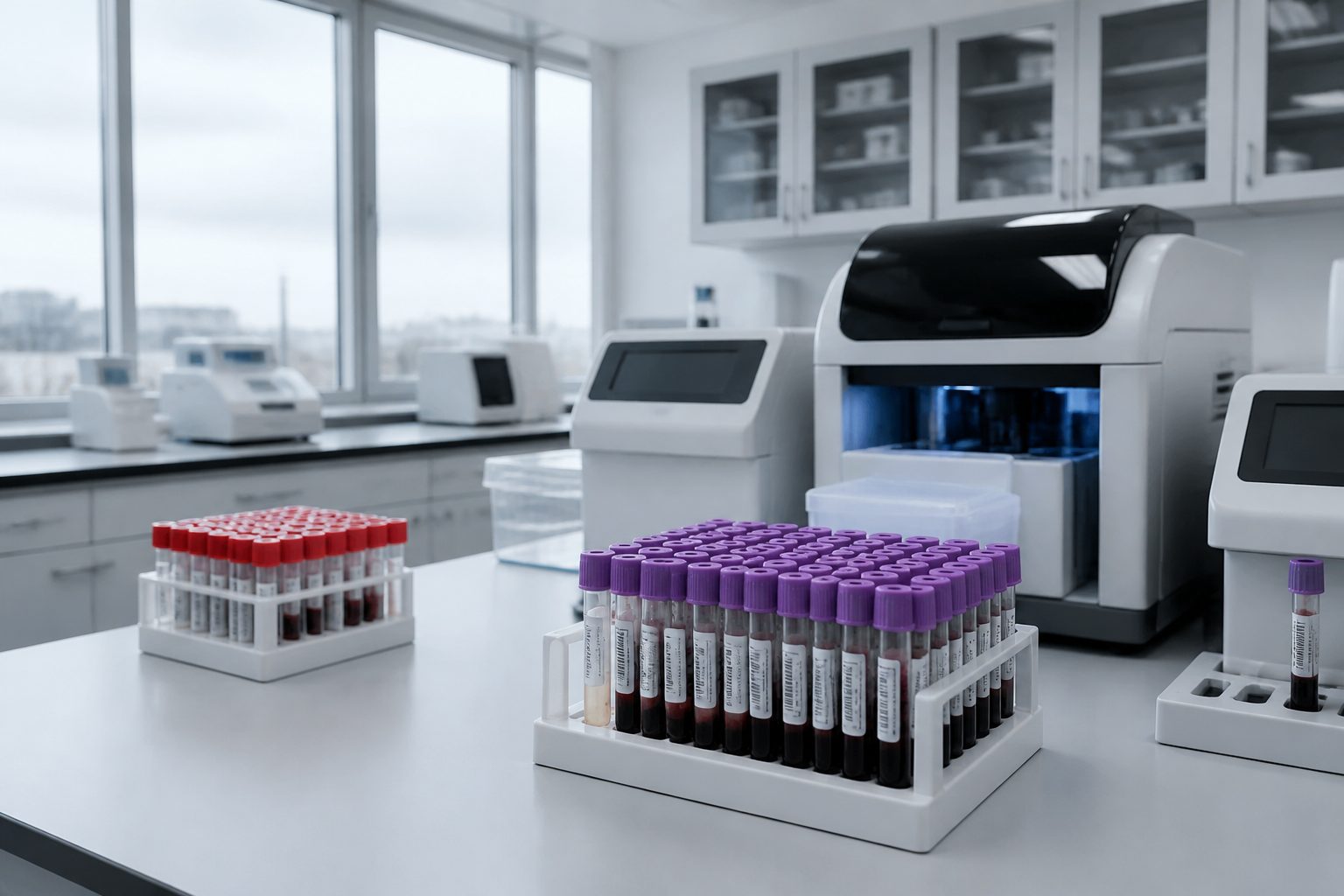
This guide compares blood test prices and full-body health check-up costs in India, the UK, and the USA. It is for patients and families seeking clear, practical information on everyday healthcare expenses, including lab tests, scan fees, and specialist consultations.
In India, routine blood tests and comprehensive health check-ups are generally the most affordable, with basic panels starting around $5-$10. In the UK, NHS patients often pay nothing for doctor-ordered tests, but private services can be costly. In the USA, out-of-pocket prices are highest, with basic blood panels starting at $50 and rising quickly for advanced diagnostics.
What blood tests and health check-ups cost in India, the UK, and the USA
The cost of blood tests and comprehensive health check-ups varies significantly between India, the UK, and the USA due to differences in healthcare systems, insurance coverage, and market competition. In India, private diagnostic labs and hospitals offer a wide selection of tests and health check-up packages, often at very competitive rates. Basic blood tests (such as CBC, blood sugar, and cholesterol) can cost as little as $2–$10 each, while full-body health check-up packages that include dozens of blood tests, urine analysis, ECG, chest X-ray, and sometimes ultrasounds or CT scans typically range from $40 to $150, depending on the provider and the number of included investigations. These packages are popular for preventive screening and are often marketed by large diagnostic chains and hospitals.
In the UK, most routine and many specialized blood tests are available free of charge to residents through the National Health Service (NHS). This includes tests ordered by GPs or hospital specialists for diagnostic or monitoring purposes. For those who opt for private care—either to avoid waiting times or to access tests not routinely offered by the NHS—costs are moderate. A single private blood test may cost £30–£100, and comprehensive health check packages can range from £250 to £700, depending on the extent of testing and whether consultations or follow-up appointments are included.
In the USA, the cost of blood tests is highly variable and depends on whether you have insurance, the network status of the lab, and whether the test is performed at an independent lab or hospital-based facility. Basic blood tests can cost $20–$100 each for uninsured patients, while hospital labs often charge significantly more. Full health check-up packages are less common in the USA but may be available at some independent labs or wellness centers for $200–$800, depending on the range of tests and whether physician consultations are included. Insurance may cover some or all costs, but patients are often responsible for copays, deductibles, or out-of-network charges.
- Bundled packages: In all countries, bundled health check-ups can offer substantial savings over ordering tests individually, but always review what’s included to avoid unnecessary or missing tests.
- Provider choice: Public providers (NHS in the UK) offer the best value; in India and the USA, compare prices and check for accreditation.
- Insurance impact: In the USA, always verify coverage and network status before testing to minimize surprise bills.
Ultimately, understanding the local healthcare system and carefully reviewing package details can help you access essential blood tests and check-ups at the best possible price.
Typical blood test prices
The table below compares indicative prices for common blood tests and health check-up packages in India, the UK, and the USA. Prices reflect self-pay rates at reputable private providers in major cities, converted to USD for easy comparison. NHS services in the UK are free at the point of care for residents, but private prices are shown for those seeking rapid access or not eligible for NHS care.
| Test/Package | India (USD/INR) | UK (USD/GBP) | USA (USD) |
|---|---|---|---|
| Complete Blood Count (CBC) | $5-$10 (₹400-800) | $35-$55 (£28-45) | $50-$100 |
| Liver Function Test (LFT) | $7-$15 (₹600-1,200) | $50-$80 (£40-65) | $80-$150 |
| Kidney Function Test (KFT) | $7-$15 (₹600-1,200) | $50-$85 (£40-70) | $80-$150 |
| Thyroid Profile (T3, T4, TSH) | $10-$18 (₹800-1,500) | $60-$90 (£48-72) | $100-$180 |
| Lipid Profile | $8-$15 (₹650-1,200) | $45-$70 (£36-56) | $60-$120 |
| Blood Sugar (Fasting/PP) | $2-$5 (₹160-400) | $20-$30 (£16-24) | $20-$40 |
| Vitamin D Test | $12-$20 (₹1,000-1,600) | $70-$110 (£56-88) | $100-$220 |
| Full-body health check-up (basic) | $30-$60 (₹2,500-5,000) | $200-$350 (£160-280) | $350-$700 |
| Full-body health check-up (advanced) | $80-$140 (₹6,500-12,000) | $400-$650 (£320-520) | $700-$1,500 |
| MRI Scan (single region, non-contrast) | $80-$200 (₹6,500-16,000) | $350-$600 (£280-480) | $700-$2,000 |
| CT Scan (single region) | $50-$120 (₹4,000-10,000) | $200-$400 (£160-320) | $400-$1,200 |
| PET-CT Scan (whole body) | $380-$600 (₹32,000-50,000) | $1,200-$2,000 (£960-1,600) | $2,500-$6,000 |
| Specialist consultation (general) | $8-$20 (₹650-1,600) | $120-$220 (£96-176) | $150-$350 |
What is included in the price
For most standalone blood tests, the price usually covers sample collection, laboratory analysis, and a basic report. In India and the UK, home sample collection can be included at no extra charge, especially from large diagnostic chains. In the USA, home collection is rare and may cost extra. Some packages include a basic doctor review or teleconsultation to explain results, but this is not guaranteed. For full-body health check-ups, packages often bundle a set of blood and urine tests, ECG, X-ray, and a doctor consultation. Advanced packages may include imaging (ultrasound, CT, MRI), but always check the inclusions before booking.
Hospital-based labs may charge more than standalone diagnostic centres, especially in the USA. In all countries, urgent or same-day reporting may cost extra. For scans (MRI, CT, PET), prices may or may not include the radiologist’s report, contrast agents, or CD copies of images.
Hidden costs and extra charges
Blood test pricing can be deceptively simple at first glance, but many patients encounter unexpected fees that inflate the final bill. In India, while urban centers often advertise free home sample collection, this service may incur a $2–$5 surcharge in outlying suburbs or rural areas. Additionally, some labs may charge extra for urgent processing, couriered paper reports, or special sample handling (such as for genetic or infectious disease tests). Taxes and government service charges are sometimes excluded from quoted prices, so always request a final, all-inclusive bill.
In the UK, NHS blood tests are free for eligible residents, but private clinics often separate charges for the blood draw, test analysis, and consultations. You may be billed £30–£100 for a consultation just to order the test, and another fee for a follow-up appointment to discuss results. Some private providers also charge for written reports or digital access, so clarify these details beforehand.
The USA is notorious for hidden costs in healthcare. Facility fees—charged simply for using a hospital or clinic’s premises—can run from $50 to several hundred dollars, even before the test itself. Pathologist interpretation fees, administrative charges for paperwork, and mandatory follow-up visits can add hundreds to the bill. If your physician orders repeat or confirmatory tests, these are rarely bundled and may be billed at full price again. Advanced diagnostics like PET-CT or genetic panels often require mandatory pre-test counseling and post-test reviews, which are not always included in the advertised price.
- Always ask for a written, itemized quote. This should specify the cost of the test, sample collection, reporting, consultations, taxes, and any potential follow-up.
- For packages, clarify exactly what’s included. Some packages exclude key tests or require additional payments for specialist reviews or digital results.
- Check insurance coverage and network status. In the USA, out-of-network labs can result in much higher patient responsibility.
- Beware of repeat testing charges. If your doctor anticipates the need for confirmatory testing, ask if discounts or bundled pricing are available.
By proactively questioning providers and requesting comprehensive cost breakdowns, you can avoid most hidden charges and make informed decisions about your healthcare spending.
How to save safely on blood tests and check-ups
In India, using accredited labs (NABL or CAP) ensures reliable results at competitive prices. Compare packages from major chains like Dr Lal PathLabs, SRL, and Metropolis, and check if your employer or insurer offers discounts. In the UK, NHS tests are free for residents, so only use private clinics if you need speed or are not eligible for NHS care. In the USA, outpatient independent labs (like LabCorp, Quest) are generally cheaper than hospital labs. Ask your doctor if tests can be bundled, and always request an itemised price list.
For full-body check-ups, buy only what you need. Avoid packages with excessive or irrelevant tests. Online booking platforms sometimes offer discounts, but check that the provider is reputable and accredited. Never compromise on quality for price—incorrect results can lead to missed or wrong diagnoses.
Best diagnostic centres and hospitals for lab tests
The quality, reliability, and safety of blood tests and diagnostic procedures depend heavily on the accreditation and reputation of the laboratory or hospital you choose. In India, look for labs with NABL (National Accreditation Board for Testing and Calibration Laboratories) or CAP (College of American Pathologists) accreditation, which ensure adherence to international standards. Leading diagnostic chains such as Dr Lal PathLabs, SRL Diagnostics, and Metropolis Healthcare operate across multiple cities and offer a wide range of tests, often with online booking and home collection services. Major hospital-based labs, including those at Apollo Hospitals and Fortis Healthcare, provide advanced diagnostics and are preferred for complex or specialized tests.
In the UK, NHS pathology labs are stringently regulated and offer high standards of accuracy and safety. For private testing, reputable providers include The Doctors Laboratory (TDL), Spire Healthcare, and HCA Laboratories. These private labs cater to patients seeking faster results or specialized panels not routinely available on the NHS. Many private providers offer digital access to reports and teleconsultations for result interpretation.
In the USA, LabCorp and Quest Diagnostics are the two largest independent laboratory networks, with thousands of collection centers nationwide. Both are accredited by CLIA (Clinical Laboratory Improvement Amendments) and CAP, and offer a broad menu of routine and advanced tests. Most major hospitals also maintain their own accredited labs, which may be necessary for specialized or urgent diagnostics. For imaging and scans, select centers with modern, well-maintained equipment and radiologists certified by relevant boards; look for accreditation by JCI (Joint Commission International) or national bodies like ACR (American College of Radiology).
- International patients: Ask about English-language reports, digital result access, and teleconsultation options for reviewing findings.
- Convenience: Many large labs and hospitals offer online booking, payment, and downloadable results, making the process smoother for both local and international patients.
- Quality assurance: Always verify accreditation and check reviews or testimonials to ensure reliability and accuracy.
Choosing a well-accredited, reputable diagnostic center or hospital not only ensures accurate results but also provides added peace of mind regarding safety, confidentiality, and aftercare support.
Specialist consultation fees and insurance
In India, a basic specialist consultation at a private hospital or diagnostic centre typically costs $8-$20. Follow-up visits may be discounted. In the UK, NHS consultations are free for residents, while private specialists charge $120-$220 per visit. In the USA, out-of-pocket fees for a new patient visit can range from $150 to $350, with higher charges for top specialists or longer appointments.
Health insurance may cover tests and consultations if medically necessary, but routine check-ups and preventive tests are often excluded, especially in the USA. Always check your policy details. In India, some insurers offer wellness benefits or discounts at partner labs. In the UK, private medical insurance may cover preventive tests, especially for high-risk patients. In the USA, employer-sponsored plans sometimes include annual wellness panels, but high deductibles may apply.
Maternity, delivery, and pregnancy test costs
Pregnancy and maternity care involve a series of blood tests and diagnostic procedures that can vary widely in cost depending on the country and whether care is provided publicly or privately. In India, a first-trimester pregnancy blood panel—which typically includes beta-HCG, blood grouping, Rh factor, hepatitis, HIV, syphilis, thyroid, and infection screening—costs between $30 and $60 at major diagnostic chains. Comprehensive maternity packages in private hospitals, which bundle regular blood and urine tests, ultrasounds, doctor consultations, and delivery charges, range from $400 to $1,200. The price depends on the hospital’s reputation, the inclusion of C-section or normal delivery, and whether neonatal care is bundled.
In the UK, all residents are eligible for free NHS maternity care, which covers routine pregnancy blood tests, ultrasounds, antenatal appointments, and delivery (including emergency care). However, for those seeking private maternity services—often for shorter wait times, choice of consultant, or private rooms—the costs rise significantly. Private maternity packages in the UK typically range from $3,000 to $8,000 for delivery alone, with additional charges for extra scans, blood tests, and extended postnatal stays.
The USA has some of the highest maternity-related costs in the world. Prenatal blood tests alone (including genetic screening, blood grouping, and infection panels) can exceed $500, especially in hospital-based labs. Full maternity care—including regular check-ups, ultrasounds, blood and urine tests, and delivery—can range from $8,000 to $20,000 or more, depending on factors such as the hospital, the presence of complications, and insurance coverage. For uninsured patients, negotiating bundled rates or payment plans in advance is essential; some hospitals and clinics offer discounts for upfront payment or self-pay packages.
- Always ask for a detailed breakdown of maternity packages. Clarify which tests, scans, and consultations are included, and whether delivery and newborn care are part of the package.
- Check insurance coverage in the USA. Confirm which providers and tests are in-network to minimize out-of-pocket expenses.
- In India, compare hospital and diagnostic center packages. Some offer comprehensive deals, while others charge separately for each test and scan.
- For private care in the UK, request written quotes and clarify extra charges for additional scans or specialist consultations.
Planning ahead and understanding exactly what you are paying for can help avoid unexpected bills and ensure you receive all necessary maternity care and testing.
Bottom line: what to expect and how to plan
When budgeting for blood tests and health check-ups, it is crucial to understand the country-specific cost structures and the factors that influence your final bill. In India, blood tests and routine health check-ups are typically the most affordable, with large diagnostic chains offering competitive prices due to high patient volumes and lower operational costs. Many urban labs provide home sample collection at little or no extra charge, and bundled health check packages can include dozens of tests for a fraction of what you’d pay elsewhere. However, prices can rise in premium hospital settings or for advanced diagnostics.
The UK presents a different scenario: for residents, the National Health Service (NHS) covers most routine and even many advanced blood tests at no direct cost. This makes the UK one of the most cost-effective places for basic diagnostic testing, provided you qualify for NHS care and are willing to wait for non-urgent appointments. Private clinics in the UK, however, charge moderate fees for faster service or specialized panels, and it’s important to confirm exactly what is included—some may charge extra for consultations or result interpretations.
The USA generally has the highest prices, especially for those without comprehensive insurance. Costs can vary dramatically between hospital-based labs and independent diagnostic centers, with the former often charging significantly more. Insurance coverage is a key variable: some plans cover routine blood work fully, while others require copays or only cover select tests. Always ask for a detailed, written quote before testing, and inquire about package deals for multiple tests. For complex or urgent diagnostics, such as genetic panels or advanced imaging, costs can escalate rapidly, so check your insurance policy or negotiate self-pay discounts in advance.
- Compare providers: Look for accreditation (NABL, CAP, JCI, etc.) and check reviews.
- Clarify inclusions: Ask what’s included in the price—consultations, reports, follow-ups, and taxes.
- Plan for extras: Budget for possible repeat or confirmatory tests, especially if you have ongoing health concerns.
- Insurance matters: In the USA, always confirm coverage and ask for in-network labs to minimize out-of-pocket costs.
By researching options, requesting written breakdowns, and understanding your country’s healthcare landscape, you can avoid surprises and ensure you get the best value for your health investment.
Frequently asked questions
How do I know if a diagnostic centre is reliable?
Look for national or international accreditation—NABL or CAP in India, UKAS in the UK, and CAP or CLIA in the USA. Reputable centres display these certificates and use standardised testing protocols. Large chains and hospital-based labs are usually a safer choice for accuracy and consistency.
Can I get blood tests without a doctor’s prescription?
In India and the USA, many labs allow self-requested tests, especially for basic health check-ups. In the UK, NHS labs require a doctor’s order, but private clinics may allow self-referral. However, it is wise to consult a doctor for interpreting results and planning follow-up care.
Are home sample collections available in all three countries?
Home collection is widely available in India’s urban centres, often at no extra cost. In the UK, some private providers offer it for an additional fee. In the USA, home collection is less common and usually costs extra. Always confirm availability and charges before booking.
Does insurance cover preventive health check-ups?
In India, some insurers offer wellness benefits, but coverage is limited. In the UK, NHS covers necessary tests for residents, but private insurance may or may not cover preventive checks. In the USA, coverage depends on the plan—many now include annual wellness panels, but deductibles and exclusions apply.
How quickly can I get results?
Routine blood test results are usually available within 24–48 hours in all three countries. Advanced tests (like hormone panels or genetic screens) may take longer. Same-day or urgent reporting is possible for an extra charge. Ask your provider about turnaround times when booking.
Related guides
Disclaimer: Prices in this guide are indicative and vary by location, provider, and individual case. Always request a written quote and consult a qualified doctor for medical advice and interpretation of test results.