
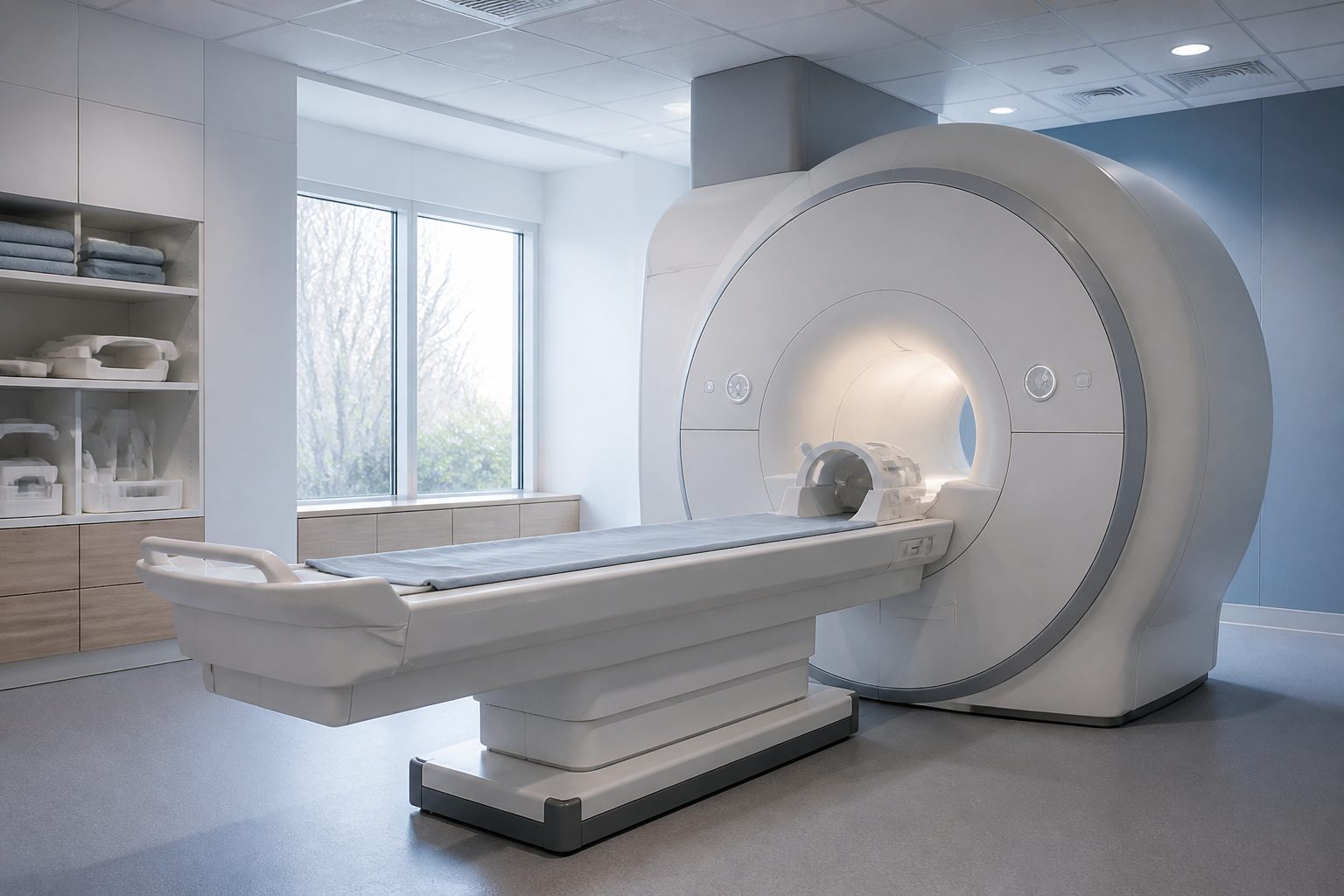
If you need an MRI scan and are comparing costs in India, Turkey, and the UK, you’ll find major price differences. MRI scans in India typically cost $80-$300, in Turkey $200-$600, and in the UK $400-$1,200. These prices vary by hospital, scan type, and what’s included in the package.
This guide explains what affects the price, what to expect at each destination, and how to choose a reliable diagnostic centre or hospital for your MRI scan. It also covers common add-on fees, tips for booking, and what’s usually included in the price.
What is an MRI scan and who needs one?
An MRI (Magnetic Resonance Imaging) scan is a sophisticated, non-invasive medical imaging technique that uses a powerful magnetic field and radiofrequency waves to produce high-resolution, cross-sectional images of the body’s internal structures. Unlike X-rays or CT scans, MRI does not use ionizing radiation, making it safer for repeated use and for sensitive populations, such as children or pregnant women (with certain precautions).
- What conditions does it diagnose? MRI scans are particularly valuable for examining soft tissues, including the brain, spinal cord, muscles, ligaments, joints, and internal organs like the liver, kidneys, and heart. They are commonly used to diagnose neurological conditions (such as multiple sclerosis, stroke, or brain tumors), musculoskeletal injuries (like ligament tears or disc herniations), cancers, and a variety of internal organ diseases. MRI is often recommended when other imaging tests, such as X-rays or CT, do not provide sufficient detail—especially for soft tissue evaluation.
- Who is referred for an MRI? Patients may be referred for an MRI if they experience unexplained pain, persistent headaches, neurological symptoms (such as numbness or weakness), suspected tumors, or chronic conditions like arthritis. MRI is also used in cardiac imaging and for assessing blood vessels or detecting infections and inflammatory diseases. In recent years, full-body MRI scans have become increasingly popular for health screening and early cancer detection, especially among high-risk individuals or those seeking comprehensive preventive care.
- Who should avoid MRI scans? While MRI is safe for most people, it is not suitable for everyone. Patients with certain implanted medical devices (such as pacemakers, cochlear implants, or some types of aneurysm clips) or those with metal fragments in their body may not be eligible due to the strong magnetic field. It’s crucial to inform your doctor and the MRI centre about any implants or metal in your body before scheduling the scan.
Overall, MRI scans are a cornerstone of modern diagnostic medicine, providing detailed images that guide treatment decisions and help monitor disease progression. If your doctor recommends an MRI, it is typically because they need clearer, more precise information to ensure the best possible care for your condition.
Typical MRI scan costs in India, Turkey and the UK
The price of an MRI scan depends on the country, the type of scan, the facility’s reputation, and whether the scan is with or without contrast. Below is a comparison of typical costs for a standard single-region MRI (such as brain, spine, or knee) and for a full-body MRI. Full-body scans are usually more expensive and may be part of health check-up packages.
| Country | Standard MRI (single region) | Full-Body MRI | What’s included |
|---|---|---|---|
| India | $80-$180 (₹7,000-15,000) | $220-$300 (₹18,000-25,000) | Scan, basic report, sometimes consultation |
| Turkey | $200-$350 (₺6,600-11,500) | $450-$600 (₺15,000-20,000) | Scan, report, English support at major centres |
| UK | $400-$750 (£320-600) | $900-$1,200 (£700-950) | Scan, report, specialist consultation |
What’s included in the MRI scan price?
The total price of an MRI scan can vary based on several factors, including the country, the type of facility, and the specific services bundled with the scan. Understanding what is typically included helps you avoid hidden costs and ensures you get the best value for your money.
- Basic scan and radiologist report: The base price almost always covers the MRI scan itself and a standard report prepared by a radiologist. In India and Turkey, this may be a written report, while in the UK, private providers often include a more detailed explanation or even a direct consultation with a specialist.
- Consultations: Some centres include a brief doctor’s consultation to explain the results, especially in larger private hospitals in India and Turkey. However, this is not universal, so always confirm if a consultation is part of the package. In the UK, private clinics more commonly include a pre-scan or post-scan consultation as standard, sometimes with a specialist rather than a general practitioner.
- Contrast dye (gadolinium): Certain MRI scans require the use of contrast dye to better visualize blood vessels or highlight tumors. This is usually charged as an extra service, with costs varying by country—expect to pay between $30 and $100 extra in India and Turkey, and £100–£250 in the UK. Always ask if your scan will require contrast and if it’s included in the quoted price.
- Image copies and delivery: Most facilities provide digital copies of your images on a CD, USB drive, or through a secure online portal, sometimes included in the base price but occasionally billed separately. Printed films or additional copies may incur extra charges, especially in the UK.
- Additional tests and packages: If your MRI is part of a full-body health check-up or a specific diagnostic package, the price may also include blood tests, ECG, or follow-up specialist reviews. Always request an itemized bill to see what’s covered.
Before booking, clarify with the provider exactly what is included in the quoted price and what might incur extra fees. Ask about report turnaround times, whether reports are available in English, and if remote consultations are possible. Understanding these details helps you avoid surprises and ensures you receive all necessary information for your ongoing care.
Common extra fees and hidden costs
Be aware of possible additional charges when booking an MRI scan abroad or at a private centre:
- Contrast dye: If your doctor requests an MRI with contrast, expect to pay $20-$80 extra, depending on the country and region scanned.
- Consultation fees: Some centres charge separately for a specialist’s review or post-scan consultation. This can add $30-$100 to the bill.
- Image copies: Digital or printed images may be free or cost $5-$20, depending on the centre.
- Follow-up scans: If further imaging is needed, this is priced separately.
- Travel and accommodation: For international patients, these costs are not included in scan fees.
Always ask for a detailed written quote before booking and check exactly what is included in the advertised price.
How to choose a diagnostic centre or hospital for an MRI scan
Selecting the right diagnostic centre or hospital for your MRI scan is crucial for both the accuracy of your results and your overall experience. Costs can vary widely depending on the facility’s reputation, location, and the quality of their equipment. Here are key factors and country-specific tips to guide your choice:
- Check the MRI machine specifications: For high-quality imaging, look for centres equipped with 1.5 Tesla or 3 Tesla MRI machines. These are the current standards for clear, detailed scans. Some older or smaller clinics may use less powerful machines, which could affect diagnostic accuracy.
- Assess the centre’s reputation: In India and Turkey, international patients often prefer large private hospital chains such as Apollo, Fortis, Medanta (India), and Acibadem or Memorial (Turkey). These institutions are known for their English-speaking staff, international patient coordinators, and consistent quality standards. In the UK, major private providers and NHS-affiliated centres are generally reliable, but always verify their credentials.
- Look for accreditation: Accreditation by organizations such as the Joint Commission International (JCI) or India’s National Accreditation Board for Hospitals (NABH) is a strong indicator of quality and safety. In Turkey, look for JCI or Turkish Ministry of Health accreditation. In the UK, the Care Quality Commission (CQC) regulates private MRI providers, ensuring adherence to national safety and quality standards.
- Confirm radiologist qualifications: Ensure that the centre employs board-certified radiologists who specialize in interpreting MRI scans. Ask if the reports will be reviewed by specialists and if they can be provided in English, especially if you are an international patient or need to share results with doctors abroad.
- Check for transparent pricing and support services: Reliable centres provide clear, itemized pricing and explain what is included (such as consultation, reporting, or contrast dye). Some facilities offer additional support, like transport, translation, or help with insurance paperwork, which can be especially helpful for international patients.
Before making your decision, read patient reviews, consult your referring doctor, and, if possible, visit the centre in advance. Never hesitate to ask questions about the MRI machine’s age, maintenance schedule, and the experience of the radiology team. Choosing a reputable, accredited centre may cost a bit more, but it ensures higher diagnostic accuracy and peace of mind.
Full-body health check-up packages: what to expect
Full-body health check-up packages are increasingly popular in India and Turkey, offering comprehensive preventive screening at a fraction of the cost compared to many Western countries. These packages are designed to detect a wide range of health issues early, including cancers, heart disease, metabolic disorders, and more. Here’s what you can expect, and how costs and inclusions vary by country:
- What’s typically included: Packages often feature a combination of imaging tests (such as MRI, CT, or ultrasound scans), extensive blood and urine tests, ECG or cardiac evaluations, lung function tests, and consultations with specialists in fields like cardiology, oncology, or endocrinology. Some hospitals include additional services such as vision or dental checks, nutrition counseling, and even meals during your visit.
- Cost breakdown by country: In India, full-body check-up packages generally cost between $300 and $800, depending on the hospital and the number of tests included. In Turkey, similar packages range from $600 to $1,200, reflecting higher average costs but often including more advanced imaging or longer specialist consultations. In the UK, comprehensive check-ups are less common and more expensive, typically starting at $1,500 and going up, mainly offered by private clinics in major cities.
- Customization and focus: Many centres allow you to tailor your package based on your age, family history, or specific health concerns. For example, you can request additional cancer screenings, cardiac evaluations, or metabolic tests. Some packages are structured for specific purposes, such as cancer screening, cardiac health, or diabetes risk assessment.
- Additional services: Some hospitals in India and Turkey provide same-day results, personalized reports, and a follow-up consultation to explain findings and recommend further action. In the UK, private clinics may offer similar services but at a premium price.
Before booking, request a detailed list of what’s included in the package, and clarify whether the price covers all tests, consultations, and reports. Ask about the qualifications of the doctors and technicians involved, and whether you can opt out of certain tests if advised by your own physician. For international patients, confirm if reports will be provided in English and if remote consultations are available. Full-body check-ups can be a valuable investment in your health, but ensure you choose a reputable provider and only undergo necessary tests to avoid unnecessary costs or anxiety.
How to save money safely on MRI scans
Saving money on MRI scans is possible without sacrificing safety or diagnostic quality, but it requires careful research and planning. The total cost of an MRI scan can vary significantly between countries and even within cities, depending on the facility’s reputation, the type of MRI machine used, and whether additional services (like contrast dye or specialist consultations) are included. Here are practical steps to save on MRI scans in India, Turkey, and the UK:
- Compare prices from multiple providers: Always request detailed quotes from at least two or three reputable hospitals or diagnostic centres in your chosen destination. In India and Turkey, prices for the same scan can differ by up to 50% between neighbourhood clinics and major hospital chains. In the UK, private providers may offer online price transparency, but always confirm what is included.
- Book directly with the provider: Avoid intermediaries or agents who may add hidden commissions to the quoted price. Contacting hospitals and diagnostics chains directly ensures you get the most accurate and lowest rates, and you can clarify exactly what is included.
- Ask about package deals: If you need more than one scan or additional tests (such as blood panels or X-rays), inquire about bundled packages. Many hospitals in India and Turkey offer discounted rates for comprehensive check-ups or multiple imaging studies, which can be more cost-effective than booking services separately.
- Travel during off-peak times: In popular medical tourism destinations, such as Istanbul or Mumbai, prices can be higher during peak travel seasons (usually winter for international patients). Scheduling your scan during less busy periods may yield lower rates and shorter waiting times.
- Utilize insurance where possible: Some international health insurance plans cover outpatient imaging, including MRI scans, especially in the UK. Before booking, check your policy’s coverage, network hospitals, and whether you need pre-authorization to avoid unexpected expenses.
In all cases, prioritize quality and safety. Verify that the centre uses modern, well-maintained MRI machines, employs board-certified radiologists, and follows international safety protocols. Avoid facilities that advertise abnormally low prices without transparent information about their staff, equipment, or accreditation. If possible, read reviews from other patients or seek recommendations from local doctors to ensure you are choosing a reputable provider. Saving money is important, but never at the expense of accurate diagnosis or your health.
Planning your MRI scan: practical steps
Once you have a doctor’s referral for an MRI scan, follow these steps:
- Shortlist accredited centres or hospitals that offer the type of MRI you need (with or without contrast, specific body region).
- Contact the centre to check availability, price, and any special requirements (fasting, stopping medications, bringing previous scans).
- Request a written quote and confirmation of what is included.
- Organise travel and accommodation if going abroad. Many major hospitals offer airport pick-up and translation services.
- Arrive at least 30 minutes early on the scan day. Bring your doctor’s referral, previous reports, and any insurance documents.
- After the scan, ask when and how you will receive your report, and whether a doctor will explain the results to you.
Most MRI scans are outpatient procedures and take 20-60 minutes. You can usually resume normal activities soon after unless you have received sedation.
Frequently asked questions
How long does an MRI scan take?
The duration of an MRI scan depends on the body region and whether contrast is used. Most standard MRIs take 20-45 minutes. Full-body scans may take up to 90 minutes, especially if multiple areas are imaged or contrast is administered.
Is MRI safe for everyone?
MRI scans are generally safe, as they do not use ionising radiation. However, people with certain metal implants, pacemakers, cochlear implants, or metal fragments in the body may not be eligible. Always inform the centre about any implants or medical devices before booking.
Will my insurance cover an MRI scan abroad?
Some international health insurance plans cover outpatient imaging abroad, but many do not. Always check with your insurer before booking. In the UK, NHS patients usually need a GP referral for a free scan, while private scans are self-pay unless covered by private insurance.
What is the difference between MRI with and without contrast?
An MRI with contrast uses a special dye, usually gadolinium, to enhance image clarity and highlight certain tissues or blood vessels. This is particularly useful for detecting tumors or vascular issues. Not all scans require contrast; your doctor will advise if it is needed.
How soon will I get my MRI report?
Most centres in India and Turkey provide a basic report within 24-48 hours. In the UK, private centres typically deliver results in 1-3 days. Urgent reports may be available sooner for an extra fee. Always ask about timelines when booking.
Related guides
Disclaimer: Prices and package details in this article are indicative, vary by hospital and individual case, and may change over time. Always request a detailed written quote and consult a qualified doctor before booking any scan or health check-up.