
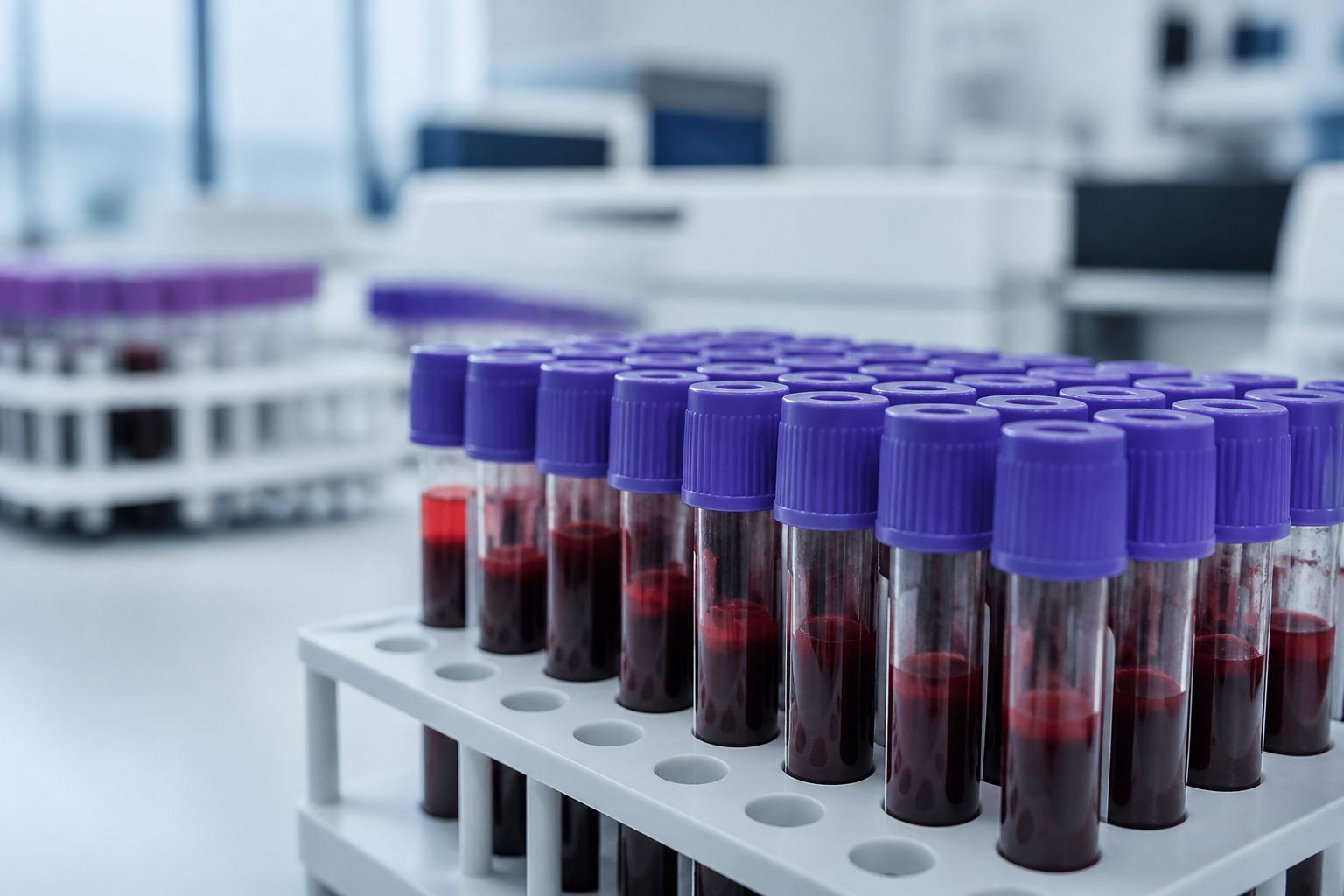
Liver and kidney function tests are common blood panels used to monitor organ health, diagnose disease, and track treatment. Costs can vary widely between countries, cities, and even between different diagnostic centres in the same area.
This guide compares typical prices for liver and kidney function tests in major countries, explains what’s included, and offers practical advice for choosing a reliable provider. It is for people considering routine check-ups, those under specialist care, or anyone comparing everyday healthcare costs.
What are liver and kidney function tests?
Liver and kidney function tests are essential diagnostic panels that assess how well your liver and kidneys are performing their vital roles in the body. These organs are responsible for filtering toxins, balancing fluids, producing important proteins, and processing medications. When these organs are not functioning optimally, it can lead to serious health issues, including liver diseases like hepatitis, fatty liver, and cirrhosis, or kidney conditions such as chronic kidney disease (CKD), acute kidney injury, and complications from high blood pressure or diabetes.
Liver function tests (LFTs) typically include measurements of enzymes and proteins such as alanine aminotransferase (ALT), aspartate aminotransferase (AST), alkaline phosphatase (ALP), gamma-glutamyl transferase (GGT), bilirubin, albumin, and total protein. These markers help doctors evaluate liver inflammation, damage, bile flow, and the organ’s protein-synthesizing ability. Abnormal results can indicate viral infections, alcohol-related damage, medication side effects, or inherited liver disorders.
Kidney function tests (KFTs) usually measure serum creatinine, blood urea nitrogen (BUN), uric acid, and electrolytes such as sodium, potassium, and chloride. These values reflect how effectively the kidneys are filtering waste products and maintaining the body’s chemical balance. Elevated creatinine or BUN can signal impaired kidney function, dehydration, or obstruction. Some panels may also include estimated glomerular filtration rate (eGFR), a key indicator of kidney health.
In many countries, these tests are bundled as part of routine health check-ups, especially for people with risk factors like diabetes, hypertension, or a family history of kidney or liver disease. In places like the US, UK, India, and Southeast Asia, they can also be ordered individually based on a doctor’s recommendation. The specific tests included may vary by provider and country, so it’s important to confirm what’s covered before booking.
Typical prices for liver and kidney function tests
Prices for these panels depend on the country, city, type of facility (public vs private), whether the tests are bundled, and the number of parameters checked. The table below summarises typical price ranges for a combined liver and kidney function test panel in selected countries, with local currency equivalents where useful.
| Country | Typical cost range | Notes |
|---|---|---|
| India | $6-$18 (₹500-1,500) | Private labs in tier 1 cities, combined panel |
| Bangladesh | $8-$20 (৳850-2,100) | Private diagnostic centres, Dhaka |
| Paksitan | $7-$19 (₨2,000-5,500) | Major cities, private sector |
| Indonesia | $12-$30 (Rp180,000-450,000) | Private labs, Jakarta |
| Philippines | $15-$45 (₱850-2,500) | Private hospitals, Manila |
| United States | $45-$120 | Without insurance, outpatient lab |
| UK | $35-$80 (£28-65) | Private clinics; NHS covers for medical need |
| Germany | $40-$90 (€36-82) | Private labs; insurance may cover if prescribed |
What is included in the price?
The price you pay for a liver and kidney function test panel depends on several components and can vary widely by country, city, and provider. Generally, a standard panel includes the main biochemical markers that evaluate each organ’s health. In most private diagnostic centers and hospitals, the base price covers:
- Blood draw (phlebotomy): The cost of the staff, equipment, and materials needed to collect your blood sample.
- Laboratory analysis: Processing and analyzing your blood to measure markers such as ALT, AST, ALP, GGT, bilirubin, albumin, total protein (for liver), and creatinine, BUN, uric acid, electrolytes (for kidney).
- Basic report: A printed or digital report detailing your results and the normal reference ranges for each test.
Some premium centers or full health check-up packages offer expanded panels, which may include additional tests like lipid profiles, fasting blood sugar, urinalysis, or even thyroid function tests. These packages are often marketed as comprehensive preventive health checks and can be more cost-effective if you want a broader assessment.
Other potential add-ons and cost factors include:
- Doctor’s consultation: Interpretation of your results by a physician is usually not included in the basic lab fee and is billed separately. In countries like India, this may add $5-$20 to your total cost; in the US or Europe, it can be significantly higher.
- Home sample collection: Many labs now offer home blood draw services for convenience. This service typically costs extra—about $2-$8 in South Asia, and $20 or more in Western countries.
- Online access: Some providers offer secure online portals or mobile apps for accessing your results at no extra charge, while others may charge a small fee.
Always check exactly which tests are included in your panel before booking, as the composition can differ even between branches of the same lab chain. Ask for a detailed bill or quote, especially if you are comparing prices or using insurance. Understanding what is (and isn’t) included will help you avoid unexpected expenses and ensure you get the right tests for your needs.
How to choose a reliable diagnostic centre or hospital
Selecting a trustworthy lab is important to ensure accurate results. Look for centres that are accredited by local health authorities or recognised bodies (such as NABL in India, College of American Pathologists, or ISO 15189). Hospitals with JCI accreditation generally have well-maintained laboratories, but many reputable standalone labs also offer high standards.
Consider the following when choosing a centre:
- Accreditation and reputation for quality
- Experience with the specific panel you need
- Turnaround time for results (usually 12-24 hours for routine panels)
- Clear communication about what is included and any extra charges
- Availability of English-language reports if you are an international patient
- Proximity and convenience (especially if you need fasting samples)
For complex or urgent cases, tests done inside a major hospital may be preferable for rapid follow-up care. For routine check-ups, accredited third-party labs are usually sufficient and often less expensive.
Hidden costs and what is not included
The quoted price for liver and kidney function tests typically covers only the lab work and a basic report. Additional costs to consider include:
- Doctor’s consultation: To interpret the results and recommend follow-up, expect to pay $10-$50 (₹800-4,000) extra in most private settings.
- Repeat or confirmatory tests: If abnormal results are found, your doctor may order further investigations, adding to the cost.
- Sample collection at home: Some labs offer this for a small fee, but not all areas are covered.
- Travel and time: Consider transport costs and waiting time, especially in busy cities.
- Package deals: Some hospitals bundle these tests with other check-up services, which may be cost-effective if you need multiple investigations.
Always ask for a detailed breakdown to avoid surprises, especially if you are booking online or as an international patient.
How to save on liver and kidney function tests
Paying out of pocket for liver and kidney function tests can add up, especially if you require regular monitoring. However, there are practical strategies to reduce costs without compromising quality or safety:
- Compare prices: Always check rates at multiple reputable labs or hospitals. In many countries, especially India, Indonesia, and the Philippines, prices can vary by 30-50% within the same city. Use online booking platforms or call centers to compare options. Be wary of unusually low prices, which may indicate lower-quality equipment or less experienced staff.
- Look for package deals: Many diagnostic centers offer annual health check-up packages that bundle liver and kidney panels with other common tests (such as blood sugar, cholesterol, or complete blood count) at a discounted rate. These packages can be particularly cost-effective if you need several tests or want a comprehensive health review.
- Use insurance if available: Some private health insurance plans, especially corporate or premium policies, may cover routine diagnostics if ordered by a doctor. Always check your policy terms and ask your doctor to provide a prescription if needed for reimbursement.
- Group testing: Some labs offer discounts for families, couples, or groups booking together. This is common during health camps or corporate wellness programs.
- Check for promotions: Labs may run special offers around health awareness days (such as World Liver Day or World Kidney Day) or for first-time customers. Sign up for newsletters or follow your preferred lab on social media to stay informed about deals.
- Consider public hospitals: In some countries, public or government hospitals offer subsidized rates or even free testing for eligible patients. While wait times may be longer, the savings can be significant.
While cost is important, never compromise on quality. Choose labs that are accredited, use reliable equipment, and have experienced staff. Look for clear, detailed reports and ensure there is a process for follow-up consultation with a doctor. If you have a chronic condition or are at higher risk, regular testing at a reputable center is an investment in your long-term health.
How health insurance affects costs
The impact of health insurance on the cost of liver and kidney function tests depends significantly on your country, type of insurance, and the reason for testing. In the United States, most health insurance policies (including Medicare and Medicaid) cover these tests if they are deemed medically necessary—such as for monitoring chronic conditions, after abnormal symptoms, or as part of pre-surgical evaluation. However, if you request these tests as part of a general check-up without a specific medical indication, you may have to pay out of pocket. Deductibles and copays can also apply, so check your plan details carefully.
In Europe, national health systems like the NHS in the UK or public insurance in Germany and France typically cover liver and kidney function tests when ordered by a GP or specialist for a medical reason. Routine screening without symptoms may not be covered, and private patients or those using private labs may face out-of-pocket charges.
In South Asian countries (India, Pakistan, Bangladesh) and Southeast Asia (Indonesia, Philippines), private health insurance rarely covers routine diagnostic tests unless they are part of a hospital admission or prescribed for a diagnosed illness. Most people pay for these tests themselves unless they are hospitalized or have a comprehensive corporate insurance plan that includes annual health check-ups. Government hospitals may offer these tests at subsidized rates or free for low-income patients, but waiting times can be longer.
If you are unsure about your coverage, always:
- Contact your insurer to clarify if the test is covered and what documentation is needed.
- Ask your doctor to provide a clear medical indication on the prescription if insurance approval is required.
- Check if your policy covers preventive health checks or only diagnostic tests for existing conditions.
Understanding your insurance terms and local healthcare system can help you avoid unexpected bills and ensure you get the coverage you are entitled to.
What to expect on the day of your test
On the day of your liver and kidney function tests, you will typically visit a laboratory, diagnostic center, or hospital outpatient department. The most common requirement is a blood sample, usually drawn from a vein in your arm. Depending on the specific tests ordered, you may be asked to fast for 8-12 hours beforehand—this means no food, but drinking water is generally allowed. Fasting is especially important if your panel includes related tests like blood sugar or lipid profile, which are sometimes bundled with liver and kidney panels in health packages.
When you arrive at the facility, you will register at the reception and may need to provide identification, your doctor’s prescription (if required), and payment or insurance details. A trained phlebotomist will clean your arm, insert a sterile needle, and collect the necessary amount of blood. The procedure is quick, usually lasting only a few minutes, and most people experience minimal discomfort. If you are prone to dizziness or fainting during blood draws, inform the staff in advance so they can assist you.
After your sample is collected, you can usually leave right away and resume normal activities. There is no downtime, and side effects are rare beyond minor bruising or soreness at the puncture site.
Turnaround times for results vary by country and provider:
- In private labs in the US, UK, India, and Southeast Asia, results are often available within 12-24 hours, sometimes even sooner if you opt for express processing (at an extra cost).
- In public or government hospitals, results may take 2-3 days due to higher patient volumes and batch processing.
You will typically receive a printed or digital report listing your test values alongside normal reference ranges. Some labs provide secure online access or email results. A qualified doctor should always interpret your results, as abnormal values can have many causes and need to be considered in the context of your medical history and symptoms. If your test was ordered as part of a health check-up, you may have a follow-up consultation included or available for an additional fee.
Frequently asked questions
Do I need a doctor’s referral to get these tests?
In most countries, you can book liver and kidney function tests directly at private labs without a referral. However, interpretation and follow-up should always be done by a qualified doctor.
Are home sample collection services reliable?
Home collection is now widely available from reputable labs in major cities. Trained phlebotomists visit your home, and samples are processed in the main laboratory. Always use accredited providers for accuracy and safety.
How often should I get liver and kidney function tests?
Frequency depends on your age, risk factors, and medical history. For healthy adults, annual testing is common as part of a routine check-up. Those with chronic conditions may need more frequent monitoring.
Can these tests detect all liver or kidney problems?
Liver and kidney panels are useful screening tools but may not detect all conditions. If your doctor suspects a specific disease, additional or more specialised tests may be needed.
Will health insurance pay for these tests?
Insurance coverage varies. Many plans cover tests ordered for a medical reason, but not for general screening. Always check your policy details or ask your insurer before booking.
Related guides
Disclaimer: Prices in this article are indicative and may vary by hospital, lab, location, and individual case. Always request a written quote and consult a qualified doctor for personalised advice before booking any test or treatment.