
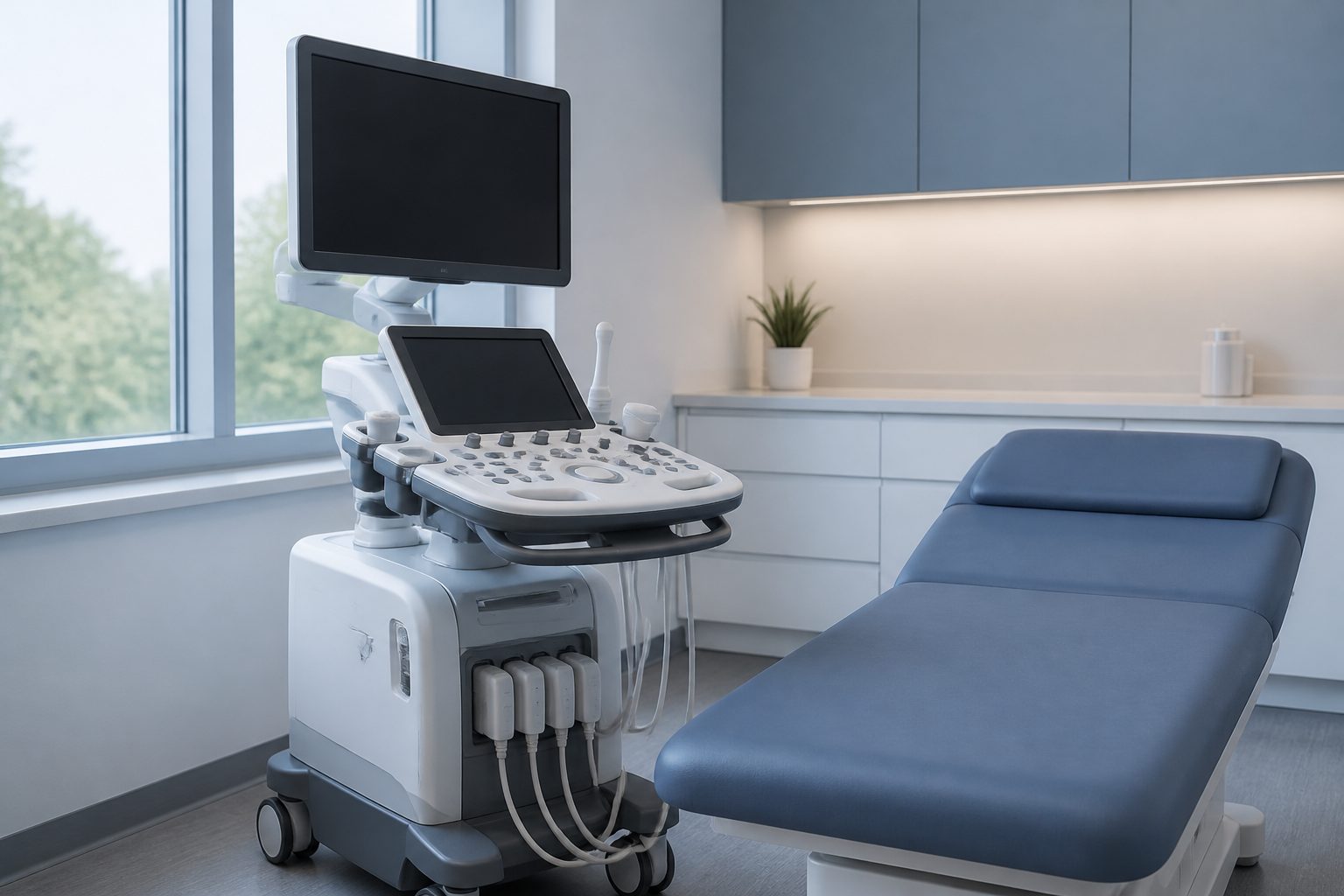
Pregnancy scans and prenatal check-ups are vital for monitoring both maternal and fetal health throughout pregnancy. Costs can range from $80 for a basic scan in India or Southeast Asia, to over $300 in the US or Western Europe, with full prenatal packages from $400 to $2,500 depending on country and clinic.
This guide compares prices for routine pregnancy scans, prenatal check-ups, and associated services in key medical travel destinations, as well as what’s included in typical packages, extra costs to watch for, and practical advice on choosing a provider.
What pregnancy scans and check-ups include
A standard prenatal care pathway includes several scheduled ultrasounds, blood tests, urine tests, and regular consultations with an obstetrician or maternal-fetal medicine specialist. The exact schedule and tests may vary by country, risk factors, and insurance coverage, but most pregnancies involve:
- Initial confirmation scan (6-8 weeks)
- Dating scan (usually at 8-12 weeks)
- First trimester screening (includes nuchal translucency scan and blood tests)
- Anomaly (mid-pregnancy) scan (18-22 weeks)
- Growth scans (28-32 weeks, and sometimes later)
- Routine prenatal check-ups (every 4 weeks until 28 weeks, then more frequent)
- Additional scans or tests if medically indicated
Packages may also include consultation fees, basic lab investigations, urinalysis, and sometimes supplements or basic medications.
Pregnancy scan and prenatal check-up costs by country
The cost of pregnancy scans and prenatal check-ups varies greatly by country, type of facility, and whether you opt for single services or a package. Private hospitals and diagnostic centres generally charge more than public clinics, but may offer faster service and more comprehensive packages.
| Country | Single scan (USD) | Prenatal package (USD) | What’s included |
|---|---|---|---|
| India | $40-$90 (₹3,300-7,500) | $300-$700 (₹25,000-58,000) | 4-5 scans, labs, OB consults |
| Paksitan | $35-$80 (PKR 10,000-23,000) | $250-$600 (PKR 72,000-173,000) | 4-5 scans, labs, OB consults |
| Bangladesh | $30-$70 (৳3,500-8,200) | $200-$500 (৳23,000-58,000) | 4-5 scans, labs, OB consults |
| Indonesia | $50-$100 (Rp 800,000-1.6 million) | $350-$800 (Rp 5.6-12.8 million) | 4-5 scans, labs, OB consults |
| Philippines | $60-$120 (₱3,400-6,800) | $400-$900 (₱23,000-52,000) | 4-5 scans, labs, OB consults |
| Thailand | $80-$150 (฿2,900-5,400) | $600-$1,300 (฿21,000-45,000) | 4-5 scans, labs, OB consults |
| Turkey | $90-$180 (₺2,900-5,800) | $700-$1,600 (₺22,500-51,500) | 4-5 scans, labs, OB consults |
| UAE | $100-$200 (AED 370-740) | $1,000-$2,000 (AED 3,700-7,400) | 4-5 scans, labs, OB consults |
| UK | $120-$250 (£95-200) | $1,000-$2,000 (£800-1,600) | 4-5 scans, labs, OB consults |
| USA | $200-$400 | $1,500-$2,500 | 4-5 scans, labs, OB consults |
Prices are for private hospitals and diagnostic centres. Public hospitals may offer lower costs or free care for residents, but international patients usually pay private rates.
What is not included in the price
It is important to recognize that most standard pregnancy scan and prenatal check-up packages do not cover the full spectrum of maternity-related costs. Typically, the quoted price will include only routine ultrasounds, basic prenatal visits, and standard laboratory tests. However, delivery charges—whether for a normal vaginal birth or a cesarean section—are almost always billed separately, and these can be significant, especially in private hospitals or for international patients. Hospital stays, which may be required after delivery or in the event of complications, are also not included and can range from a few hundred to several thousand dollars depending on the country and facility.
Specialist procedures such as amniocentesis, advanced fetal echocardiography, or comprehensive genetic testing (like NIPT or chromosomal microarray analysis) are considered add-ons and are priced individually. Additionally, medications, prenatal vitamins, and extra blood work for high-risk pregnancies (such as those involving gestational diabetes or hypertension) are usually not part of the basic package and will be billed separately. Emergency visits for issues such as bleeding, reduced fetal movement, or preterm labor, as well as non-routine scans or consultations with subspecialists (like geneticists or endocrinologists), are also outside the standard scope of most packages.
Insurance coverage can be unpredictable, particularly for international patients or those using private facilities. Many insurance plans exclude certain advanced tests or only reimburse a portion of the costs. Always ask your provider for a detailed, itemized breakdown of what is included in your package. Inquire about the inclusion of VAT, service charges, or other local taxes, as these can add a significant amount to your final bill. Being proactive about clarifying these details will help you avoid unexpected financial burdens during your pregnancy journey.
Hidden costs to consider
While the advertised price for pregnancy scans and prenatal check-up packages may seem straightforward, there are often additional, less obvious expenses that can add up quickly. These hidden costs can vary depending on the country, healthcare system, and your individual risk factors. For example, if the fetus is not in an ideal position during a routine scan, you may need to return for repeat imaging, which is usually billed separately. Similarly, if an abnormality is detected, extra consultations with specialists such as maternal-fetal medicine doctors or genetic counselors may be necessary, each incurring their own fees.
- Advanced imaging techniques, such as 3D or 4D ultrasounds and Doppler studies, are often considered elective or non-essential and are rarely included in standard packages. These can cost $100-$500 per session depending on the country and facility.
- Non-routine laboratory tests, such as those for infections, thyroid function, or specific genetic markers, are typically billed in addition to the basic prenatal panel. Some countries, like Singapore or Germany, may have higher charges for these advanced tests, especially for international patients.
- If you are traveling for care, factor in the costs of transportation, accommodation, meals, and potentially taking time off work. In popular medical tourism destinations, these expenses can sometimes exceed the cost of the medical services themselves.
- For patients who do not speak the local language, translation services or international patient coordinators may be required, especially in countries like Japan or South Korea, and these services are often charged separately.
To avoid surprises, always request a written quote that lists all services included in your package. Ask specifically about the costs for additional visits, repeat scans, or follow-up appointments in case of unexpected findings. Understanding these potential add-ons will help you budget more accurately and ensure you receive the care you need without financial stress.
How to choose a hospital or diagnostic centre
When selecting a provider for pregnancy scans and check-ups, consider:
- Accreditation: JCI, NABH, or national health authority approval indicates adherence to safety standards.
- Experience: High-volume maternity centres and radiology clinics are more likely to have up-to-date equipment and protocols.
- Specialist availability: Access to maternal-fetal medicine specialists or neonatologists is valuable for high-risk pregnancies.
- International patient services: Multilingual staff, help with local logistics, and clear billing practices are important if you are travelling for care.
- Transparency: Clear, written pricing and package details reduce the risk of unexpected charges.
Read reviews from other patients, but focus on recent feedback and those who had similar needs (e.g., first-time parents, international patients, high-risk pregnancies).
How to save safely on pregnancy scans and check-ups
Ways to manage costs without compromising safety:
- Consider bundled packages rather than paying per visit or scan.
- Use public hospitals or teaching hospitals, which may offer lower-cost or subsidised care (though with longer wait times).
- Ask about telemedicine follow-ups for routine check-ins, especially if you live far from the facility.
- Compare costs between reputable centres, but do not compromise on equipment quality or specialist access.
- If you have health insurance, check your coverage for prenatal care—some plans cover only basic check-ups, not advanced scans or lab work.
Do not skip essential scans or investigations to save money, as these are critical for early detection of complications.
Insurance and payment options
Insurance coverage for prenatal care is highly variable and depends on both your country of residence and the specific terms of your insurance policy. In countries with universal healthcare systems, such as the UK, Canada, or Australia, most basic prenatal care—including routine scans and check-ups—is covered for residents under public or employer-sponsored insurance schemes. However, international patients, expatriates, or those choosing private hospitals will typically need to pay out-of-pocket, and the costs can be substantial.
For those using private facilities, direct billing to insurance companies is not always available, especially for international insurance providers. Most clinics and hospitals require payment upfront at the time of service. Before your appointment, confirm with the provider whether they accept your insurance and ask for a detailed bill that includes diagnosis and procedure codes, which are necessary for submitting claims for reimbursement. In the United States, for example, itemized bills are essential for navigating complex insurance requirements. Some hospitals, particularly in Southeast Asia and the Middle East, offer maternity packages with payment plans or installment options, making it easier to manage large expenses over time.
If you do not have insurance, inquire about discounts for self-pay patients or bundled package deals, which can offer significant savings compared to paying for each service separately. Always clarify the provider’s refund policy in case of early pregnancy loss, change of plans, or transfer to another facility, as policies can differ widely. Taking these practical steps ensures you are financially prepared for all aspects of your prenatal care, regardless of where you seek treatment.
Planning your visits: timing and travel tips
Pregnancy scans and prenatal check-ups are carefully timed throughout gestation to monitor both fetal development and maternal health. Standard protocols in most countries recommend an initial scan in the first trimester (around 8–12 weeks), a detailed anatomy scan at 18–22 weeks, and additional growth scans in the third trimester if indicated. If you are seeking care internationally or need to travel long distances to access quality facilities, planning your visits becomes even more critical.
When arranging travel for major scans, it is advisable to arrive at least a day before your appointment to account for potential delays and to stay in the area for several days afterward. This allows time for follow-up imaging or consultations if any concerns arise during your initial visit. For example, in countries like India or Thailand, where medical tourism is common, many clinics offer support with accommodation and local transport. Always check the local climate and consider seasonal weather patterns, which may affect travel—monsoon season in Southeast Asia or winter storms in Europe can disrupt plans. Also, familiarize yourself with local travel restrictions, especially important in a post-pandemic context, and ensure you know the location of the nearest emergency facility in case urgent care is required.
If you anticipate relocating or returning to your home country mid-pregnancy, it is essential to carry all your medical records, including scan images, laboratory results, and doctor’s notes. Request digital copies in English or have them professionally translated, as this will facilitate seamless care transitions. Most reputable hospitals can provide these documents upon request. Keeping your records organized and accessible ensures that new providers have the information they need to continue your care safely and effectively.
The bottom line
The cost of pregnancy scans and prenatal check-ups can vary dramatically based on several important factors, including the country where you receive care, the type of healthcare facility (public vs. private), and whether you select individual services or opt for a bundled maternity package. For example, in the United States, a single routine ultrasound can range from $200 to $500 at a private clinic, but comprehensive prenatal care packages at reputable private centers often fall between $1,000 and $2,500. In contrast, countries like Thailand, Malaysia, or India may offer similar packages for $400 to $1,200, reflecting lower local healthcare costs and a competitive market for international patients. Public hospitals in countries with national health systems, such as the UK or Canada, may provide basic prenatal scans at little or no cost for residents, but international or uninsured patients will pay out-of-pocket and often at higher rates.
When comparing options, always request a detailed breakdown of what is included in the quoted price. Some packages may cover only the basic scans and essential doctor visits, while others might include additional lab tests, screenings, and even some medications. Be aware that extra costs can arise if complications are detected, requiring specialist consultations or advanced imaging. It’s wise to keep all receipts and medical records, as continuity of care is crucial, especially if you transfer between providers or countries during pregnancy. Ultimately, understanding the full scope of services and potential additional charges will help you budget appropriately and avoid unexpected expenses.
Frequently asked questions
How many scans are needed during pregnancy?
Most pregnancies require at least three main scans: the dating scan, anomaly scan, and a late pregnancy growth scan. Some guidelines recommend up to five routine scans, with more if complications arise or if the pregnancy is high-risk.
Can I choose only the scans and skip check-ups?
While it is possible to book scans separately, regular prenatal check-ups are important for monitoring maternal health and early detection of issues such as hypertension or gestational diabetes. Skipping check-ups is not recommended.
Are 3D or 4D ultrasounds necessary?
3D and 4D scans are usually optional and not part of standard prenatal care. They may provide more detailed images but are mainly for parental reassurance or keepsakes. Medical decisions rely on standard 2D and Doppler scans unless otherwise indicated.
Do I need a referral for a scan?
In some countries, a doctor’s referral is required for pregnancy scans, especially in public hospitals. Private centres often allow self-booking, but it is advisable to coordinate with your obstetrician to ensure appropriate timing and follow-up.
What should I bring to my scan or check-up?
Bring your previous scan reports, lab results, a list of current medications, and your insurance card if applicable. Wear comfortable clothing and arrive with a partially full bladder if instructed for early scans.
Related guides
Disclaimer: Prices are indicative and can vary by individual case, location, and hospital policy. Always request a written quote and consult a qualified doctor for personalised medical advice and care planning.