A standard health check-up package typically covers a physical examination, blood and urine tests, basic imaging, and at least one specialist consultation. Prices for these packages range from as low as $50 in India to over $600 in the US or UK, depending on the country, hospital, and included tests.
This guide explains what is included in a standard health check-up, how much you can expect to pay in major countries, what drives the costs, and how to select the best diagnostic centre or hospital for your needs.
What a standard health check-up includes
A standard health check-up, sometimes referred to as a full-body check-up or master health check, is designed to screen for common diseases and assess overall health status before symptoms arise. These check-ups are widely available in hospitals and diagnostic centres across countries like India, Singapore, Thailand, the US, and the UK, though the exact components may vary slightly by region and provider.
- Physical examination: Performed by a general physician, this includes checking your vital signs (blood pressure, pulse, temperature), height, weight, and a basic physical assessment to look for signs of common illnesses.
- Blood tests: Most packages include a complete blood count (CBC), fasting blood sugar, lipid profile (cholesterol and triglycerides), and kidney and liver function tests. These help detect anemia, diabetes, high cholesterol, and organ function issues early.
- Urine analysis: A routine urine test screens for kidney disease, urinary tract infection, and metabolic disorders.
- Chest X-ray: Used to assess heart size, lung fields, and detect infections or chronic lung conditions.
- Electrocardiogram (ECG): This test records heart rhythm and can help identify arrhythmias, prior heart attacks, or other cardiac issues.
- Specialist consultation: Some packages include a review by an internal medicine specialist or cardiologist, who interprets test results and provides personalized advice.
Depending on your age, gender, and risk factors, some centres also include thyroid function tests, vitamin D or B12 checks, and an abdominal ultrasound to screen for liver, gallbladder, or kidney abnormalities. Women’s health check-ups may add Pap smears or breast ultrasound, while men’s packages sometimes include prostate screening.
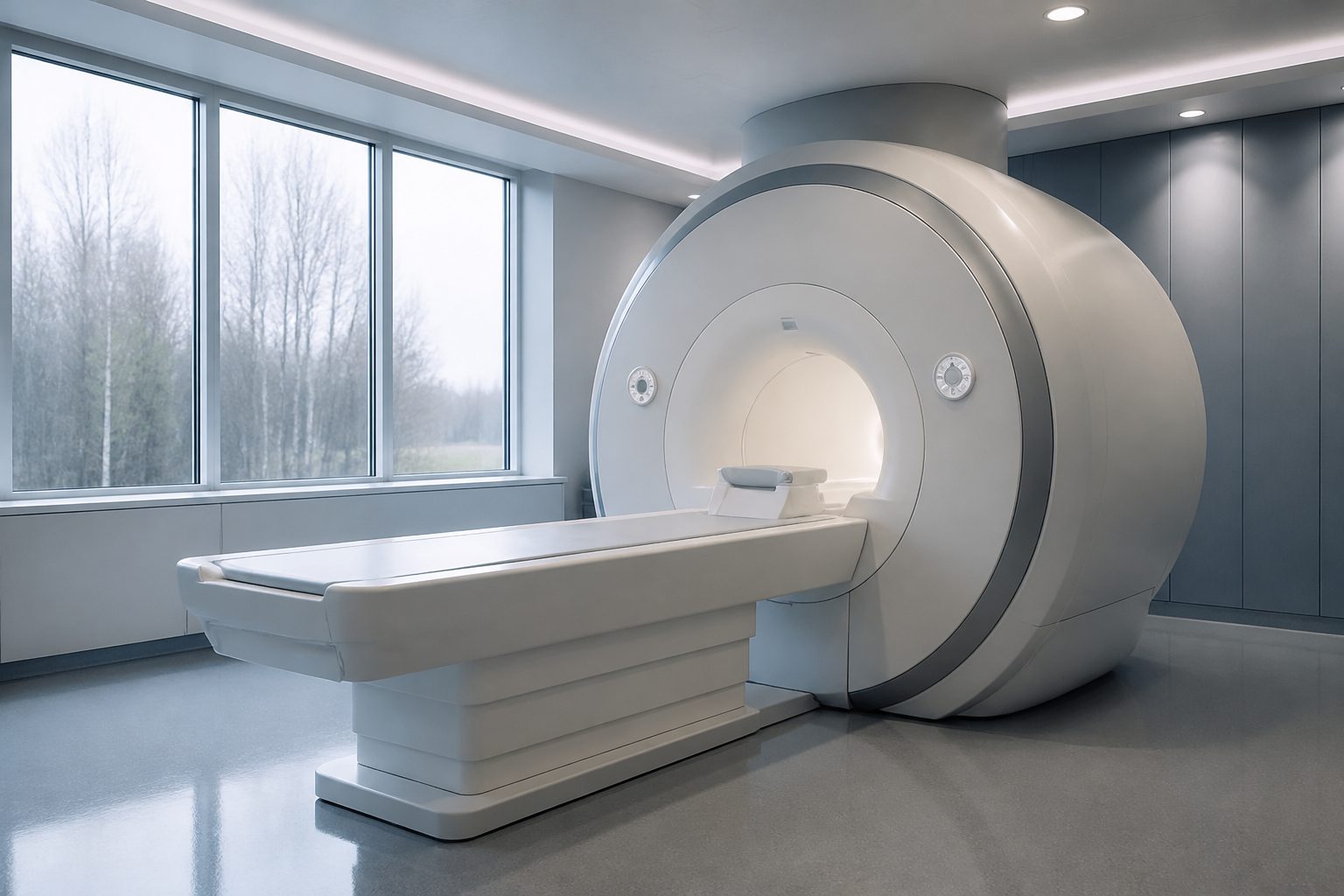
More comprehensive (and costlier) packages may offer advanced imaging like MRI, CT, or PET scans, as well as cancer marker tests and cardiac stress tests. However, these are not standard in basic check-up packages and should be considered based on individual risk, family history, or physician recommendation. Always ask for a detailed list of included tests and discuss with your doctor whether any optional add-ons are appropriate for your health profile.
Typical costs: Packages, scans, and specialist fees
Health check-up package prices vary widely. In India, Pakistan, Bangladesh, Indonesia, and the Philippines, standard packages at reputable hospitals or diagnostic centres typically cost $50–$150 (₹4,000–₹12,000, ₨14,000–₨42,000, Tk5,500–Tk16,000, Rp750,000–Rp2.3 million, ₱2,800–₱8,500). This usually includes all tests, imaging, and at least one doctor consult. In the US, UK, and EU, similar packages often cost $200–$600, and sometimes more if advanced scans are included.
Individual scan prices are higher. An MRI scan can cost $45–$150 in South Asia, but $400–$1,500 in the US. CT and PET scans are similar. Specialist consultation fees range from $10–$60 in South and Southeast Asia, to $100–$300 in the US or Western Europe.
Comparing health check-up costs worldwide
| Country | Standard package | MRI scan | CT scan | Specialist fee | Maternity delivery | Insurance (annual) |
|---|---|---|---|---|---|---|
| India | $50–$150 (₹4k–12k) | $45–$150 (₹3.7k–12k) | $40–$120 (₹3.3k–10k) | $10–$40 (₹800–3.3k) | $400–$1,000 (₹33k–83k) | $120–$500 (₹10k–42k) |
| Pakistan | $60–$130 (₨17k–37k) | $55–$160 (₨15k–44k) | $45–$110 (₨12k–30k) | $10–$35 (₨2.8k–10k) | $350–$800 (₨98k–224k) | $100–$400 (₨28k–113k) |
| Bangladesh | $55–$120 (Tk6k–13k) | $50–$140 (Tk5.5k–15k) | $40–$100 (Tk4.5k–11k) | $12–$30 (Tk1.3k–3.3k) | $300–$700 (Tk33k–78k) | $90–$350 (Tk10k–39k) |
| Indonesia | $60–$180 (Rp900k–2.7m) | $70–$200 (Rp1m–3m) | $60–$160 (Rp900k–2.4m) | $15–$40 (Rp230k–600k) | $600–$1,200 (Rp9m–18m) | $150–$600 (Rp2.2m–9m) |
| Philippines | $65–$200 (₱3.5k–11k) | $80–$250 (₱4.3k–13.5k) | $70–$180 (₱3.8k–9.8k) | $15–$60 (₱800–3.2k) | $700–$1,600 (₱38k–87k) | $180–$700 (₱10k–39k) |
| US | $200–$600 | $400–$1,500 | $350–$1,200 | $100–$300 | $8,000–$18,000 | $2,500–$7,000 |
| UK | $250–$700 (£200–£560) | $500–$1,800 (£400–£1,400) | $400–$1,100 (£320–£875) | $80–$250 (£65–£200) | $6,000–$15,000 (£4,800–£12,000) | $1,800–$5,000 (£1,400–£4,000) |
| Germany | $250–$750 (€230–€700) | $600–$1,700 (€550–€1,550) | $500–$1,400 (€460–€1,280) | $90–$280 (€80–€250) | $7,000–$14,000 (€6,400–€12,800) | $2,200–$6,000 (€2,000–€5,500) |
What is and isn’t included in the price
When considering the price of a standard health check-up, it’s important to understand exactly what is included in the advertised package and what will incur extra charges. Most standard health check-up packages, whether in India, Southeast Asia, or Western countries, typically cover the basics needed for general preventive screening. These usually consist of:
- Basic doctor consultation: An initial meeting with a general physician to discuss your health history and concerns.
- Physical examination: A routine check of vital signs, weight, height, blood pressure, and a basic physical assessment.
- Routine blood and urine tests: Commonly includes complete blood count (CBC), fasting blood sugar, lipid profile, kidney and liver function tests, and urinalysis.
- Basic imaging: This often means a chest X-ray, abdominal ultrasound, and an electrocardiogram (ECG) to assess heart rhythm.
- Summary report and follow-up advice: A written summary of results, with recommendations for next steps or lifestyle changes.
However, it’s equally important to be aware of what is not included in the standard price. Most packages exclude:
- Advanced imaging: Scans such as MRI, CT, or PET are not part of basic packages and are only included in premium or specialized packages at a significantly higher cost.
- Medication or treatment: If any abnormality is found, the cost of medicines or ongoing treatment will be billed separately.
- Admission or surgical procedures: Inpatient care or any surgical intervention, if required after the check-up, is not covered.
- Specialist consultations: While a single specialist consult may be included, additional opinions from other specialists (e.g., endocrinologist, oncologist) are extra.
Costs also vary by country and provider. In India and Southeast Asia, packages are often more affordable but may offer optional add-ons like cardiac stress tests, cancer marker screening, or women’s health panels for an extra fee. In the US and UK, basic packages are pricier and add-ons can be substantial. Always request a detailed itemized quote before booking, and clarify whether things like fasting instructions, sample collection, and report delivery are included. Some hospitals bundle check-ups with optional insurance or wellness add-ons for convenience, but these may not be necessary for everyone. Comparing inclusions and exclusions helps prevent surprise bills and ensures you get the value you expect from your check-up.
How to choose the right diagnostic centre or hospital
Selecting the right diagnostic centre or hospital for your health check-up is crucial for both the accuracy of your results and your overall experience. Here are key factors and practical steps to guide your choice:
- Accreditation: Look for facilities with recognized accreditations such as JCI (Joint Commission International), NABH (National Accreditation Board for Hospitals & Healthcare Providers), CAP (College of American Pathologists), or ISO certification. Accreditation ensures adherence to international standards in quality, safety, and laboratory practices.
- Experience and reputation: Choose centres with high patient volumes and a strong track record, especially if you are an international patient or require advanced diagnostics. Hospitals in major cities like Bangkok, Singapore, or Mumbai often cater to global patients and have multilingual staff.
- Transparent pricing: Insist on clear, upfront package pricing with a detailed list of included and excluded tests. Beware of hidden charges for consultations, sample collection, or report delivery.
- Quality of equipment and staff: Ensure the centre uses modern, well-maintained imaging and laboratory equipment, and employs experienced technicians and doctors. Outdated machines or inexperienced staff can compromise accuracy.
- Follow-up and aftercare: Check if the centre offers follow-up consultations to discuss your results and next steps. Some hospitals provide a dedicated case manager or online report access for added convenience.
Practical tips: Larger hospital groups and diagnostic chains often offer more comprehensive services, newer technology, and better infrastructure, which can be especially important if you need advanced imaging or multiple specialty opinions. However, independent diagnostic centres may provide lower prices and shorter wait times. Always verify their credentials and ask for patient reviews or referrals.
If you anticipate needing further treatment based on your check-up results, consider opting for a tertiary care hospital where you can seamlessly access specialists and additional diagnostics. For basic screenings, a reputable standalone diagnostic centre may suffice, provided it meets quality standards. Comparing several providers on price, quality, and convenience will help you find the best fit for your needs and budget.
What drives the price of health check-ups and scans
The cost of a health check-up or diagnostic scan is influenced by a variety of factors, which can differ significantly based on country, city, and the type of facility you choose. Understanding these cost drivers can help you make informed decisions and avoid unexpected expenses.
- Test types and scope: The number and complexity of tests included in a package are the biggest cost factors. Basic check-ups with routine blood and urine tests are much more affordable than comprehensive packages that include advanced imaging like MRI, CT, or PET scans, or specialty blood tests such as cancer markers or genetic screening.
- Accreditation and quality standards: Facilities with international or national accreditations (such as JCI, NABH, or CAP) tend to charge higher fees. These accreditations signal adherence to strict quality, safety, and infection control standards, which can justify the premium for many patients.
- Location and facility type: Urban centres and large, well-known hospital chains usually charge more than rural clinics or standalone diagnostic labs. For example, a check-up at a top-tier hospital in Mumbai, Singapore, or London may cost two to three times more than at a smaller suburban clinic.
- Patient extras and add-ons: Many packages offer optional extras, such as cardiac stress tests, cancer screening panels, vitamin or hormone tests, and additional specialist consultations. Each add-on increases the total price, so it’s important to assess whether these are necessary for your age, risk factors, and health goals.
- Follow-up care and after-service: Some packages include basic follow-up consultations or a review of results with a doctor at no extra charge, while others may require you to pay separately for any further advice or prescriptions. Medications, if needed, are almost always billed separately.
For international patients, prices at major hospitals or medical tourism hubs are often higher. However, these fees may include value-added services such as a dedicated patient coordinator, translation services, airport transfers, and priority appointment scheduling. In some countries, foreign patients are charged a separate fee schedule, so always clarify costs in advance.
Ultimately, the best way to control costs is to compare packages from multiple providers, ask for detailed breakdowns, and only select the tests and services relevant to your needs. If you have insurance, check which tests are reimbursable and whether you need a doctor’s referral to qualify for coverage.
How to save safely on check-ups and scans
To keep costs reasonable without compromising safety:
- Compare package contents and prices between 2–3 reputable centres
- Book directly with the hospital or diagnostic chain; avoid third-party resellers unless necessary
- Ask for a written breakdown of what is included
- Check for seasonal offers or health camps, which can reduce prices by 10–30%
- Bring previous reports to avoid repeating unnecessary tests
- For scans, ask if a less expensive alternative (ultrasound instead of CT) is appropriate
Do not choose the cheapest unaccredited centre for advanced imaging, as quality and accuracy are crucial for diagnosis. If you need a specific scan (MRI, CT, PET), confirm the make and model of the equipment and the experience of the radiologist interpreting the results.
Health insurance and check-up costs
The role of health insurance in covering check-up costs varies widely between countries, insurers, and policy types. In many regions, especially in Asia, a standard health check-up is not automatically included in basic insurance policies. However, some plans—particularly more comprehensive or premium options—do offer annual preventive check-up benefits.
For example, in India, select health insurance providers reimburse preventive health check-ups up to a certain annual limit, typically ranging from $40 to $100 (INR 3,000–8,000). The exact amount depends on your policy terms, and you usually need to submit original receipts and reports for reimbursement. In Indonesia and the Philippines, some private insurance plans also offer similar annual allowances, though public insurance schemes rarely cover routine screenings unless a doctor deems them medically necessary.
In the United States, employer-sponsored health insurance or premium individual plans may include an annual wellness exam at no extra cost, as mandated by the Affordable Care Act. However, if additional tests or specialist consultations are required beyond the basic covered exam, these may incur out-of-pocket costs. In the UK, the National Health Service (NHS) provides basic health checks for certain age groups, but private insurance plans may offer more comprehensive annual check-ups as part of premium packages or employer benefits.
Maternity and advanced diagnostics: It’s important to note that maternity/delivery packages and advanced scans (such as MRI, CT, or PET) are generally not covered for routine screening purposes unless there is a specific medical indication. Insurers typically require a doctor’s referral or evidence of necessity before reimbursing these costs.
Practical steps: Always review your policy wording carefully to understand what is and isn’t covered. If your plan offers preventive check-up benefits, keep all documentation and submit claims promptly. Some hospitals and diagnostic centres partner with insurers to offer bundled check-up plus insurance deals, but it’s wise to compare the scope of coverage, exclusions, and claim procedures before purchasing. If your plan does not cover check-ups, consider whether the out-of-pocket cost is justified by the potential health benefits and early detection.
Frequently asked questions
What tests are included in a standard health check-up?
Most standard packages include a physical exam, blood tests (CBC, blood sugar, cholesterol), urine analysis, ECG, chest X-ray, and a doctor consultation. Some may add a thyroid or liver function test. Always check the detailed list before booking.
Are advanced scans like MRI or CT included in basic packages?
No, MRI, CT, and PET scans are not part of standard health check-ups. These are only included in premium or disease-specific packages, or ordered separately if the doctor finds a clinical indication during your check-up.
How often should I get a full-body check-up?
For healthy adults, a full check-up every 1–3 years is typical, depending on age, family history, and risk factors. People with chronic conditions or those over 40 may benefit from more frequent screening. Always follow your doctor’s advice.
Can I use insurance to pay for my health check-up?
Some insurance plans cover annual preventive check-ups, either as a cashless benefit or reimbursement. Coverage varies by country and policy, so check your plan documents or speak with your insurer before booking.
What documents should I bring to my appointment?
Bring a government-issued ID, any previous medical reports, a list of current medications, and your insurance card (if applicable). This helps the doctor interpret test results and avoids repeating unnecessary investigations.
Disclaimer: Prices in this article are indicative and may vary by hospital, city, and individual case. Always request a written quote and consult a qualified doctor for personal medical advice before booking any health check-up or tests.