
Parents in the Philippines and Indonesia often ask: how much does it cost to see a paediatrician or get a child’s health check-up? For most families, a basic consultation ranges from $8 to $40, but prices increase for full-body check-ups, lab tests, and scans. Here’s what to expect, what’s included, and how to budget for your child’s care.
This guide explains common paediatric costs, including consultation fees, diagnostic packages, scan prices (MRI, CT, PET), lab tests, and insurance. We also compare top hospitals and diagnostic centres in both countries, so you can make informed choices.
What does a paediatrician visit cost?
The cost of a paediatrician visit in the Philippines or Indonesia typically ranges from $8 to $40 (₱450–2,200 or Rp 125,000–600,000), but several factors influence this price. In both countries, the location of the clinic or hospital plays a significant role: urban centers like Metro Manila and Jakarta generally have higher consultation fees due to increased demand and overhead costs. Private hospitals and clinics are notably more expensive than public health centers, where fees are often subsidized or even free for certain income brackets or under government health programs.
- Doctor’s reputation and experience: Renowned paediatricians or those with subspecialty training may charge at the higher end of the scale. Some clinics also have tiered pricing based on the doctor’s seniority.
- Type of visit: Initial consultations often cost more than follow-up visits. Many clinics offer discounted rates for follow-ups within a specified period (e.g., two weeks), which can be helpful if your child needs ongoing care for an illness.
- Included services: The standard consultation fee typically covers a 15–30 minute assessment, basic advice, and a prescription if necessary. However, any additional services—such as immunizations, minor procedures, or in-office tests—are usually billed separately.
Payment is usually required on the day of the visit, and it’s important to budget for additional expenses such as laboratory tests, imaging, or medicines. Some clinics and hospitals accept credit cards or digital payments, while smaller clinics may only accept cash. If you have private health insurance or are enrolled in national health schemes like PhilHealth (Philippines) or BPJS Kesehatan (Indonesia), check in advance which providers are accredited and what portion of the visit is covered.
To save on costs, consider using public clinics for routine check-ups and vaccinations, especially if you are eligible for government subsidies. For families who anticipate frequent visits, ask about loyalty programs or pre-paid consultation packages. Always request a receipt and breakdown of charges, and clarify what is included before agreeing to any additional services.
Full-body health check-up packages for children
Many hospitals and diagnostic centres offer paediatric health check-up packages. These packages, sometimes called ‘well-child’ or ‘annual’ check-ups, bundle the paediatrician consultation with basic laboratory tests (such as blood count, urinalysis), vision and hearing screening, growth assessment, and sometimes imaging. Prices in the Philippines range from $35 to $120 (₱2,000–7,000), depending on the package depth and hospital. In Indonesia, expect $30 to $100 (Rp 450,000–1.5 million).
Packages may be tailored by age group (infant, toddler, school-age) and can include vaccination review or catch-up. Always check what is included, as some tests (e.g., ECG, chest X-ray) may be optional extras. Packages at leading private hospitals cost more but often include more tests and shorter wait times.
MRI, CT, and PET scan prices for children
Specialist imaging for children is less common, but may be needed for neurological, orthopaedic, or cancer diagnoses. MRI scans in the Philippines usually cost $300 to $800 (₱17,000–45,000). In Indonesia, MRI prices range from $250 to $700 (Rp 3.8–10.5 million). CT scans are cheaper: $80 to $300 (₱4,500–17,000 or Rp 1.2–4.5 million). PET scans are rare and available only in major cities, with prices from $800 to $1,500 (₱45,000–85,000 or Rp 12–23 million).
Scans for children may require sedation, which adds cost (often $50–$150 extra). Prices are higher at top hospitals and for urgent or after-hours scans. Most hospitals require a paediatrician referral for advanced imaging.
Laboratory and diagnostic test fees
Laboratory and diagnostic tests are a common part of paediatric care, especially when investigating symptoms or monitoring chronic conditions. In both the Philippines and Indonesia, the costs of these tests can vary widely depending on the type of facility, location, and the specific tests required.
- Basic tests: Routine panels such as complete blood counts, urinalysis, and stool exams typically cost $8–$20 (₱450–1,100) per test in the Philippines and $6–$18 (Rp 90,000–270,000) in Indonesia. Public hospitals and government-accredited diagnostic centers may offer lower rates, while private facilities generally charge more for faster turnaround and convenience.
- Specialized tests: More advanced diagnostics—such as thyroid function, vitamin D levels, or allergy panels—can range from $15–$80 (₱850–4,500 or Rp 225,000–1.2 million). These are often needed for children with chronic illnesses or unexplained symptoms and are more likely to be ordered by subspecialists.
- Turnaround times: Routine test results are usually available within 1–3 days, but specialized tests may take longer, especially if samples need to be sent to reference laboratories in major cities.
To manage costs, many diagnostic centers offer bundled test packages at discounted rates. For example, a well-child check-up package may include several basic tests at a lower combined price. Always ask for a detailed list of what is included in a package, and whether a doctor’s order is required—some centers will not process tests without a physician’s referral.
Some hospitals and labs provide cash discounts or membership programs for regular clients, which can be helpful for families with children who require frequent monitoring. If you have health insurance, check if laboratory tests are covered and whether you need to use specific accredited facilities. Before proceeding, request a written quote and clarify if there are any additional charges for sample collection or result interpretation. Comparing prices among nearby clinics and diagnostic centers is a practical way to save money without compromising care.
Specialist consultation and follow-up fees
After your child’s initial paediatrician appointment, you may be referred to a subspecialist for further evaluation or ongoing management of specific conditions. Subspecialists such as paediatric cardiologists, neurologists, or endocrinologists in the Philippines and Indonesia generally charge between $18 and $60 (₱1,000–3,400 or Rp 270,000–900,000) per session. Fees can be higher in major cities like Manila or Jakarta, especially at top-tier private hospitals or for renowned experts. The cost often depends on the complexity of your child’s case, the length of the consultation, and whether the specialist is affiliated with a public or private institution.
- Multiple specialists: If your child requires care from more than one specialist, costs can add up quickly. Many hospitals and clinics offer package pricing or bundled rates for a series of follow-ups, so it’s wise to ask about these options when scheduling appointments.
- Telemedicine: The rise of telemedicine has made specialist care more accessible, particularly in urban areas. Online paediatric consultations typically cost $8–$20 (₱450–1,100 or Rp 125,000–300,000), which is often lower than in-person visits. However, teleconsultations may not be suitable for all medical issues—complex cases or those requiring physical exams will still need face-to-face visits.
- Annual packages: Some private hospitals and health networks now offer annual teleconsultation packages, which can provide significant savings for families needing frequent specialist input. These packages may include unlimited virtual visits or a set number of consultations for a flat annual fee.
When planning for specialist care, always clarify what is included in the consultation fee—some may cover basic follow-up advice, while others charge extra for procedures, documentation, or coordination with your primary paediatrician. Check if your health insurance covers specialist visits, as policies differ widely. If you anticipate needing multiple follow-ups, ask upfront about any available discounts or payment plans to help manage costs.
Maternity, delivery, and newborn care costs
For expectant families in the Philippines and Indonesia, understanding the full scope of maternity, delivery, and newborn care costs is crucial for financial planning. In the Philippines, a normal (vaginal) delivery at a private hospital typically costs between $500 and $1,200 (₱28,000–67,000), while a caesarean section ranges from $900 to $2,000 (₱50,000–112,000). In Indonesia, normal delivery costs are slightly lower, from $400 to $1,000 (Rp 6–15 million), and caesarean sections range from $800 to $1,800 (Rp 12–27 million). These price ranges reflect differences in hospital reputation, location (urban centers are more expensive), and the level of amenities provided.
- What’s included: Standard maternity packages in private hospitals often cover the delivery itself, basic room charges, routine medications, and initial newborn care—such as the first paediatric exam, essential vaccinations (like BCG and hepatitis B), and screening tests for common conditions. However, any complications or special requirements, such as neonatal intensive care (NICU), phototherapy for jaundice, or emergency procedures, are billed on top of the package price and can significantly increase the total cost.
- Public vs. private hospitals: Public hospitals offer much lower rates, and some government facilities provide free or highly subsidized maternity care for eligible families. However, these savings may come with trade-offs such as longer wait times, shared rooms, and fewer personal amenities. Some families opt for private hospitals for greater comfort and shorter wait times, despite the higher cost.
- Insurance and government schemes: In the Philippines, PhilHealth offers maternity benefits that can substantially reduce out-of-pocket expenses, especially at accredited hospitals. In Indonesia, BPJS Kesehatan provides similar coverage, but only if you use public or accredited facilities and follow referral protocols. Some private insurance policies also cover maternity and newborn care, but it’s important to check coverage limits, exclusions, and waiting periods.
To manage costs, ask your chosen hospital for a detailed estimate and clarify what is included in the package. If your baby is at risk of complications or requires special care, discuss potential additional charges in advance. Registering for government health programs or upgrading your insurance plan well before delivery can help ensure you maximize available benefits and avoid financial surprises when your baby arrives.
Best diagnostic centres and hospitals for children
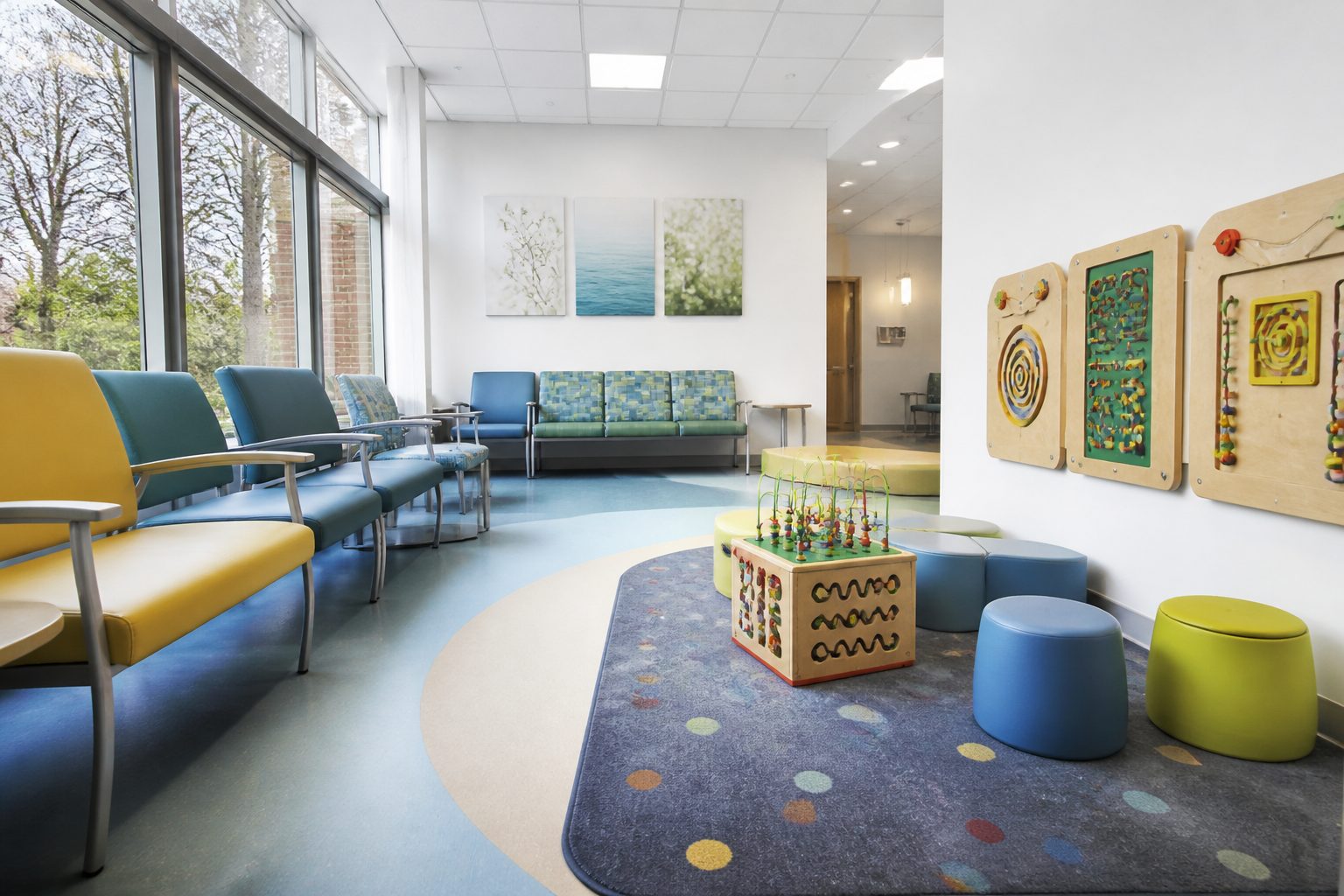
Families seeking high-quality paediatric care often look for hospitals with child-friendly facilities, experienced paediatricians, and advanced diagnostics. In the Philippines, top choices include St. Luke’s Medical Center (Manila), The Medical City (Pasig), and Makati Medical Center. In Indonesia, Siloam Hospitals (Jakarta), Rumah Sakit Cipto Mangunkusumo (Jakarta), and Pondok Indah Hospital (Jakarta) are well-regarded.
These hospitals offer comprehensive paediatric services, including 24/7 emergency care, subspecialists, and advanced imaging. International accreditations (like JCI) are held by some private hospitals. Costs are at the higher end, but many offer international patient coordinators, English-speaking staff, and clear billing. Booking in advance is recommended for specialist appointments.
Health insurance for children in the Philippines and Indonesia
Many families rely on health insurance to manage paediatric costs. In the Philippines, PhilHealth (the national insurer) covers some paediatric consultations, hospitalisations, and newborn care at public hospitals, but coverage is limited at private facilities. Private insurance plans (Pacific Cross, AXA, Manulife) offer broader coverage, including outpatient visits, diagnostics, and vaccinations, with annual premiums from $250–$600 per child.
In Indonesia, BPJS Kesehatan (the national health insurance) covers basic paediatric care and hospitalisation at public hospitals, but access to private hospitals often requires top-up insurance. Private plans (Allianz, Prudential, AXA) can cost $180–$550 yearly, depending on coverage and hospital network. Always check waiting periods, exclusions, and network hospitals before enrolling.
| Country | Paediatrician visit | Check-up package | MRI scan | CT scan | Lab test (CBC) | Normal delivery | Insurance (annual, child) |
|---|---|---|---|---|---|---|---|
| Philippines | $8–$40 (₱450–2,200) |
$35–$120 (₱2,000–7,000) |
$300–$800 (₱17,000–45,000) |
$80–$300 (₱4,500–17,000) |
$8–$20 (₱450–1,100) |
$500–$1,200 (₱28,000–67,000) |
$250–$600 |
| Indonesia | $8–$40 (Rp 125k–600k) |
$30–$100 (Rp 450k–1.5m) |
$250–$700 (Rp 3.8m–10.5m) |
$80–$300 (Rp 1.2m–4.5m) |
$6–$18 (Rp 90k–270k) |
$400–$1,000 (Rp 6m–15m) |
$180–$550 |
What is and isn’t included in the price
Understanding what’s included in paediatric care prices is key to avoiding surprise bills. A basic paediatrician consultation fee generally covers the doctor’s time, physical examination, and written prescription. Diagnostic or full-body check-up packages usually include the listed tests, but may not cover additional findings that require more tests or specialist input.
Scan prices (MRI, CT, PET) usually include the scan itself and a radiologist’s report, but sedation, contrast dye, and take-home images may cost extra. Hospital delivery packages include room charges, basic newborn care, and standard medications, but exclude complications, NICU stays, and special procedures. Always ask for a detailed written estimate and clarify what happens if extra care is needed.
Hidden costs and how to avoid them
When budgeting for paediatric care in the Philippines or Indonesia, it’s important to look beyond the advertised consultation fee and consider potential hidden costs. Families are often caught off guard by extra expenses such as additional tests, repeat consultations, or medications that are not included in standard packages. Other common hidden charges include after-hours or weekend appointment surcharges, urgent or emergency visit fees, and administrative costs for medical records or certificates.
- Facility and supply fees: In private hospitals, even basic supplies (like gloves, syringes, or bandages) or the use of certain equipment may be billed separately. Some facilities also charge a facility or room fee for each visit, adding to the overall cost.
- Unexpected follow-ups: If your child’s condition requires additional follow-up visits or monitoring, these can quickly add up, especially if not covered by an initial package or insurance.
- Out-of-network charges: Using a provider not accredited by your insurance can result in higher out-of-pocket expenses, as claims may be denied or only partially reimbursed.
To avoid surprises, always ask for a detailed, written breakdown of all anticipated costs before agreeing to any tests, treatments, or procedures. Request clarification on what is included in the consultation fee and which services are considered extra. Check with your insurance provider about coverage limits, required authorizations, and which facilities are in-network.
For routine tests or follow-ups, consider using public hospitals or reputable diagnostic centers, which often offer lower prices. However, weigh these savings against potential downsides such as longer wait times, limited appointment slots, and fewer amenities. If you are offered a package deal, read the fine print to ensure it covers all necessary services for your child’s condition. Being proactive, asking questions, and comparing options can help you manage expenses and avoid unexpected bills.
How to save on paediatric care safely
There are several ways to reduce paediatric healthcare costs without compromising quality. Use government hospitals or clinics for routine care and vaccinations, as these are heavily subsidised or free for children. For diagnostics, compare prices across private centres—some offer online price lists or phone quotes. Annual check-up packages can be more cost-effective than paying for individual tests.
If your child needs regular specialist care, look for hospitals with loyalty programs or bundled consultation packages. Some insurers offer direct billing with major centres, reducing upfront payments. Where possible, use telemedicine for minor issues to save on travel and waiting time. Always balance cost with the need for timely and safe care, especially for infants or complex cases.
The bottom line: what to expect and how to plan
For most families, paediatrician visits and routine check-ups in the Philippines and Indonesia are affordable by international standards, with typical costs from $8 to $40 for a basic visit. Comprehensive care, including scans and specialist input, can add up, especially at private hospitals. Health insurance can help manage higher costs, but always check coverage limits and network restrictions.
Choose hospitals or clinics known for quality paediatric care, clear pricing, and good communication. Plan ahead for annual check-ups, vaccinations, and any major procedures. Ask for written estimates and keep records of all expenses for insurance or reimbursement claims. With careful planning, families can access high-quality care for their children without financial stress.
Frequently asked questions
How much is a typical paediatrician visit in Manila or Jakarta?
A standard paediatrician visit in Manila or Jakarta costs $8–$40, depending on the hospital, doctor’s experience, and location. Public hospitals are at the lower end, while private hospitals and well-known specialists charge more. Always confirm the fee when booking.
Are full-body check-up packages worth it for children?
Check-up packages can be cost-effective if your child needs multiple tests or if you want a comprehensive yearly review. They often include a consultation, basic labs, and screening. Compare package contents and ensure they fit your child’s age and health needs.
Does insurance cover paediatric consultations and tests?
National insurance (PhilHealth or BPJS) covers basic consultations and some tests at public hospitals. Private insurance offers broader coverage, including at private hospitals, but always check the policy’s coverage limits, network hospitals, and any waiting periods before use.
How can I save money on scans and lab tests?
Compare prices at different hospitals and diagnostic centres, as costs vary widely. Ask about bundled packages or cash discounts. Use public hospitals for routine tests when possible, and check if your insurance covers direct billing to reduce upfront payments.
What should I check before booking a paediatric appointment?
Confirm the consultation fee, whether the doctor is available on your preferred date, and what documents (e.g., child’s ID, insurance card) are required. Ask if tests or vaccinations are available on-site and if appointments are needed for these services.
Related guides
Disclaimer: Prices in this article are indicative and may vary by hospital, doctor, and individual case. Always request a written quote for your child’s care and consult a qualified paediatrician for personalised medical advice.