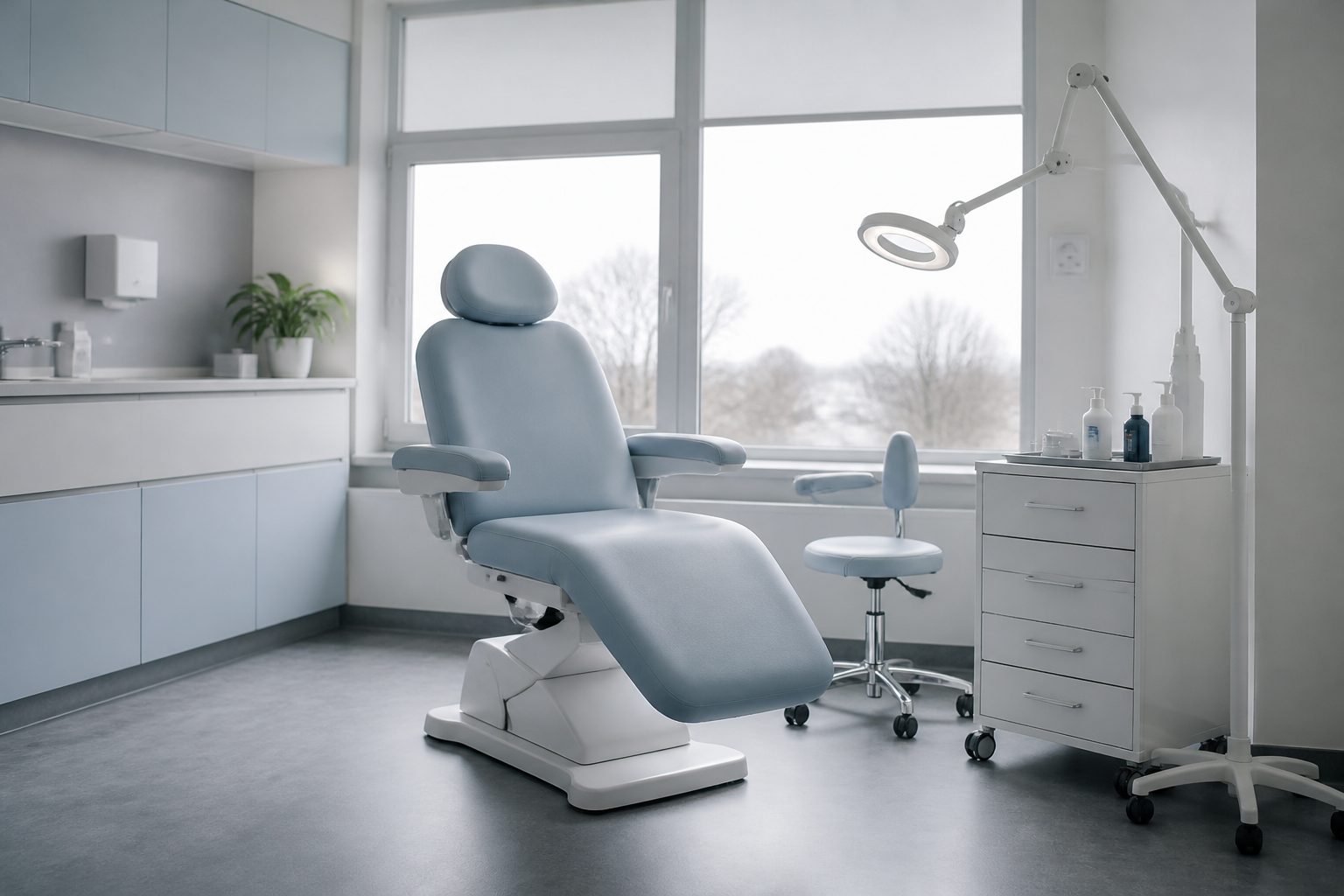
Patients seeking dermatologist consultations in Asia can expect to pay anywhere from $10 at public clinics to over $120 at top-tier private hospitals. This guide details typical fees for specialist visits, common diagnostic tests, check-up packages, and what influences the cost in India, Pakistan, Bangladesh, Indonesia, and the Philippines.
This information is for those comparing everyday healthcare costs—whether paying out-of-pocket or using insurance—and looking for the best value at reputable diagnostic centres and hospitals.
What does a dermatologist visit include?
A typical dermatologist visit in Asian countries encompasses a thorough assessment of your skin health. This starts with a detailed skin examination where the dermatologist checks for common issues such as acne, eczema, psoriasis, fungal infections, and dermatitis. The doctor will also examine any moles, freckles, or unusual skin growths, assessing for early signs of skin cancer or pre-cancerous changes. In countries like Singapore and South Korea, full-body mole mapping or dermoscopy may be offered, especially if there is a family history of melanoma.
During the consultation, the dermatologist will take a medical history, ask about your symptoms, lifestyle, and any previous treatments, and may recommend blood tests or skin swabs to identify infections or allergies. If you have chronic skin conditions, the doctor might discuss long-term management plans, prescribe topical or oral medications, or suggest lifestyle modifications.
In many clinics, especially in Thailand and Malaysia, you can request a comprehensive skin check that includes cancer screening, which is particularly important for older adults or those with high sun exposure. However, advanced procedures such as skin biopsies, laser treatments, cryotherapy, or mole removal are usually not included in the standard consultation fee—they are billed separately and can significantly increase the total cost.
International patients should note that some private hospitals in countries like the Philippines or Indonesia may charge additional administrative fees, translation services, or require a deposit upfront. It’s advisable to clarify what’s included in the quoted price before your visit and to bring any relevant medical records or previous test results to maximize the value of your appointment.
Cost comparison table: Dermatologist visits and common diagnostics
| Country | Dermatologist visit | Full-body check-up | MRI scan | CT scan | PET scan | Lab blood tests | Maternity package | Insurance (annual) |
|---|---|---|---|---|---|---|---|---|
| India | $12–$55 (₹1,000–4,500) | $60–$180 (₹5,000–15,000) | $90–$220 (₹7,500–18,000) | $60–$180 (₹5,000–15,000) | $350–$650 (₹29,000–54,000) | $8–$30 (₹650–2,500) | $400–$1,100 (₹33,000–90,000) | $120–$260 (₹10,000–22,000) |
| Pakistan | $10–$35 (PKR 2,800–10,000) | $50–$140 (PKR 14,000–39,000) | $100–$250 (PKR 28,000–70,000) | $80–$160 (PKR 22,000–45,000) | $380–$700 (PKR 106,000–195,000) | $7–$22 (PKR 2,000–6,100) | $350–$950 (PKR 98,000–265,000) | $90–$190 (PKR 25,000–53,000) |
| Bangladesh | $12–$45 (৳1,300–4,900) | $55–$160 (৳6,000–17,500) | $110–$240 (৳12,000–26,000) | $65–$150 (৳7,000–16,500) | $370–$680 (৳40,000–73,000) | $8–$25 (৳900–2,700) | $370–$1,000 (৳40,000–108,000) | $100–$210 (৳11,000–23,000) |
| Indonesia | $15–$60 (Rp 230,000–920,000) | $70–$190 (Rp 1.1–2.9 juta) | $120–$280 (Rp 1.8–4.3 juta) | $70–$160 (Rp 1–2.4 juta) | $400–$800 (Rp 6–12 juta) | $10–$28 (Rp 150,000–430,000) | $500–$1,400 (Rp 7.7–21.5 juta) | $150–$330 (Rp 2.3–5 juta) |
| Philippines | $18–$75 (₱1,000–4,300) | $80–$210 (₱4,500–12,000) | $130–$300 (₱7,000–16,500) | $80–$170 (₱4,300–9,000) | $420–$840 (₱22,000–44,000) | $11–$32 (₱600–1,800) | $600–$1,600 (₱32,000–86,000) | $160–$340 (₱8,500–18,000) |
What drives the cost of a dermatologist visit?
The cost depends on whether you choose a public hospital, private clinic, or a premium hospital group. In most countries, government hospitals offer the lowest fees, but waiting times are longer and English support may be limited. Private clinics and hospitals charge more, but often offer same-day appointments, advanced diagnostics, and international patient desks. The experience and reputation of the dermatologist, as well as the hospital’s location in a major city, can also raise the fee.
Extra procedures—such as skin biopsies, dermoscopy, or laser treatments—are usually not included in the consultation fee. Some clinics charge a registration fee for first-time patients, and international patients may pay 10–30% more than locals at private hospitals. Always ask what’s included in the quoted fee and request an itemised bill.
Full-body health check-up packages
Many private hospitals and diagnostic centres in Asia offer bundled health check-up packages. These typically include a physical exam, blood and urine tests, basic imaging (like chest X-ray), ECG, and specialist consultations (including dermatology, in some cases). The comprehensiveness and price vary widely: basic packages target working adults, while premium packages include more advanced scans (MRI/CT, cancer markers) and specialist reviews.
Packages are often marketed to international patients and may be available in English. Ask for a detailed list of tests and services, and check whether follow-up consultations are covered. Some hospitals allow you to customise your package or add a dermatologist visit for an extra fee.
Scan and lab test prices: What’s included and what’s not
Imaging tests such as MRI, CT, and PET scans are usually priced as standalone services, not included in a standard dermatologist visit. The cost covers the scan itself, a radiologist’s report, and sometimes a brief consultation to explain results. Contrast dyes, sedation, or follow-up appointments cost extra. Lab blood tests for allergy screening, infection, or autoimmune markers are also billed separately. Some hospitals offer bundled rates for multiple tests, so ask about package pricing if you need more than one investigation.
Patients should confirm whether scan prices include the radiologist’s interpretation, digital copies of images, and printed reports. International patients may need to pay a deposit or provide insurance details before expensive scans are scheduled.
Specialist consultation fees and how to save
The cost of seeing a dermatologist in Asia can vary widely depending on the country, type of facility, and the doctor’s experience. At public hospitals and government clinics in countries like India, Indonesia, and Malaysia, consultation fees are typically the lowest, ranging from $10 to $20 per visit. However, these facilities often have longer wait times, limited appointment slots, and may not always have English-speaking staff. You may also need a referral from a general practitioner before seeing a specialist in the public system.
Private clinics and internationally accredited hospitals—such as those in Singapore, Thailand, and the Philippines—charge higher fees, often between $30 and $120 for a standard consultation. These facilities offer shorter wait times, more modern amenities, and a higher likelihood of English-speaking staff. Some private hospitals provide additional conveniences, such as online booking, telemedicine options, and dedicated international patient services, which can be particularly valuable for foreigners or medical tourists.
To save on costs, consider the following strategies:
- Book during off-peak hours: Some clinics, especially in Thailand and Malaysia, offer discounted rates for midday, evening, or weekend appointments to fill less busy slots.
- Choose a junior consultant: Opting for a less senior dermatologist can reduce your consultation fee while still providing quality care, especially for routine issues.
- Use telemedicine: Many clinics now offer online consultations for initial assessments or follow-ups, which are usually cheaper and save on travel costs—ideal for minor or chronic skin problems.
- Ask about bundled rates: If you need multiple tests, procedures, or have several family members seeking care, inquire about package deals or bundled pricing, which can substantially lower your overall bill.
Additionally, check if your insurance plan has preferred provider agreements, as this can further reduce out-of-pocket costs. Always request an itemized bill to ensure transparency and to help with insurance claims or reimbursement.
Maternity and delivery costs in Asian hospitals
Maternity and delivery costs in Asian hospitals can differ greatly based on the type of hospital (public vs. private), the city, and the specific inclusions within each package. In public hospitals across countries like India, Indonesia, and Malaysia, basic maternity packages are generally the most affordable, often ranging from $200 to $800 for a normal delivery, including essential doctor’s fees, standard diagnostic tests, a shared room, and routine postnatal care. However, these hospitals may have longer waiting times, fewer amenities, and limited English-speaking staff.
Private hospitals, such as those in Singapore, Thailand, and the Philippines, offer more comprehensive packages that can range from $1,000 to $5,000 or more. These packages typically include private or semi-private rooms, a wider range of diagnostic tests, 24/7 nursing support, and access to English-speaking doctors. Some hospitals may even offer luxury maternity suites, enhanced catering, and additional comfort services for an extra fee. It’s important to note that caesarean sections, neonatal intensive care (NICU), and management of complications (such as preeclampsia or gestational diabetes) are usually not included in the base package and can add several thousand dollars to the total cost.
International patients should always request a detailed breakdown of what is included in the maternity package before committing, as some hospitals require significant upfront deposits or guarantee letters from insurers. Inquire about add-on services such as epidural anesthesia, newborn screening, and vaccinations, which may not be standard.
Some hospitals, especially in urban centers, offer bundled mother-and-baby care packages that include dermatology consultations for newborn skin concerns, routine pediatric check-ups, and postnatal care for mothers. Insurance coverage for maternity varies; many international and local plans have waiting periods (often 10–12 months) and may exclude certain procedures or pre-existing conditions. Always review your policy carefully and ask the hospital’s billing department for clarification on insurance claims and direct billing arrangements.
Health insurance: What’s covered and what’s not
Health insurance coverage for dermatologist visits varies significantly across Asian countries and depends on whether you use public or private healthcare. In countries such as India, Malaysia, and Indonesia, government health insurance (e.g., BPJS in Indonesia or NHIS in India) may cover some specialist consultations, but outpatient visits—including most dermatologist appointments—are often only partially reimbursed or not covered at all unless you have a premium or supplemental insurance plan. In Singapore, the public system (MediShield Life) generally focuses on inpatient care, and outpatient dermatology is typically excluded unless it’s part of a chronic disease management program.
Pre-existing skin conditions, such as chronic eczema or psoriasis, are frequently excluded from both public and private insurance plans, or may require a waiting period before coverage begins. Cosmetic procedures—like laser treatments for pigmentation, scar removal, or anti-aging therapies—are almost never covered, regardless of the country or insurance tier.
For expatriates and international patients, travel health insurance may reimburse some costs related to emergency dermatological care, but routine consultations and elective procedures are rarely included. It’s vital to review your policy’s fine print, especially for exclusions, claim limits, and the process for reimbursement. In most Asian countries, foreigners can purchase local private insurance, which is often more cost-effective than international plans. Annual premiums typically range from $90 to $340, depending on your age, health status, and the extent of coverage (including outpatient care, medications, and diagnostics).
To maximize your benefits, always ask your insurer for a list of network hospitals and clinics, clarify which dermatology services are covered, and check if you need a referral from a general practitioner. Some insurers require pre-authorization for specialist visits or procedures, which can affect both access and reimbursement.
How to choose the best centre or hospital
Choosing the right centre or hospital for dermatology care in Asia requires careful consideration of several factors to ensure quality and value. Start by researching hospitals and clinics that have a strong reputation in dermatology, ideally with board-certified dermatologists and a history of treating both local and international patients. Look for facilities that are accredited by international organizations such as Joint Commission International (JCI) or, in India, the National Accreditation Board for Hospitals (NABH). Examples include Apollo Hospitals and Fortis in India, Siloam and Mitra Keluarga in Indonesia, and St. Luke’s or Makati Medical Center in the Philippines. These institutions are known for high standards, transparent pricing, and comprehensive patient support services.
If you are an international patient, prioritize hospitals with dedicated international patient departments, multilingual staff, and assistance with visa letters, airport transfers, or accommodation. Many of the larger diagnostic chains and private clinics in urban hubs like Singapore and Bangkok offer English-speaking staff, online appointment booking, and telemedicine consultations, which can be especially helpful if you are traveling for care.
Before booking, read online reviews, seek recommendations from other expatriates or medical tourists, and ask for the credentials and experience of the dermatologist you will see. Always request a clear written estimate and an itemized bill to avoid hidden charges. If you require advanced diagnostics—such as MRI, CT, or PET imaging for complex skin conditions—confirm that the centre has in-house facilities to save time and reduce costs associated with external referrals.
For routine skin concerns, smaller private clinics may offer more personalized attention and shorter wait times at a lower price. However, for complex cases or surgical procedures, larger hospitals with multidisciplinary teams and emergency facilities are recommended. Ultimately, transparency, accreditation, and clear communication are key to finding the best dermatology care in Asia.
Planning your dermatologist visit: Practical tips
Book your appointment in advance, especially if you need an English-speaking dermatologist or are visiting a top private hospital. Bring previous medical records, photos of skin issues, and a list of current medications. If you need scans or lab tests, ask whether you should arrive fasting and how long results will take. For complex or cosmetic procedures, get a detailed quote, ask about follow-up care, and check if your insurance will reimburse any costs.
International patients should carry passport copies, insurance documents, and local currency for registration fees or deposits. Many hospitals accept credit cards. If you are combining your visit with a health check-up package, clarify the schedule and which specialists you will see.
Frequently asked questions
How much does a dermatologist visit cost in Asia?
Costs range from $10 at public clinics to $120 at private hospitals, depending on country, clinic reputation, and doctor experience. Most visits in major cities fall between $20 and $60. Additional procedures are charged separately.
Are lab tests or scans included in the consultation fee?
Usually not. Basic consultations cover examination and advice, but blood tests, biopsies, or scans such as MRI/CT are billed separately. Some check-up packages may include a dermatologist review and basic labs.
Can I use health insurance for dermatologist visits?
It depends on your plan. Public insurance often covers only hospitalisation. Private or employer-provided insurance may cover outpatient visits, but check for exclusions and coverage limits.
How do I book a dermatologist as an international patient?
Contact the hospital’s international desk, use online booking platforms, or email the clinic directly. Major hospitals in big cities usually have English-speaking staff and can provide appointment confirmation and cost estimates.
What should I bring to my appointment?
Bring ID or passport, previous medical records, photos of skin issues, and a list of medications. If you need tests, ask about fasting or preparation. Have local currency or a credit card for payment.
Disclaimer: Prices listed are indicative and may vary by hospital, location, and your individual case. Always obtain a written quote and consult a qualified doctor before starting any treatment or procedure.