
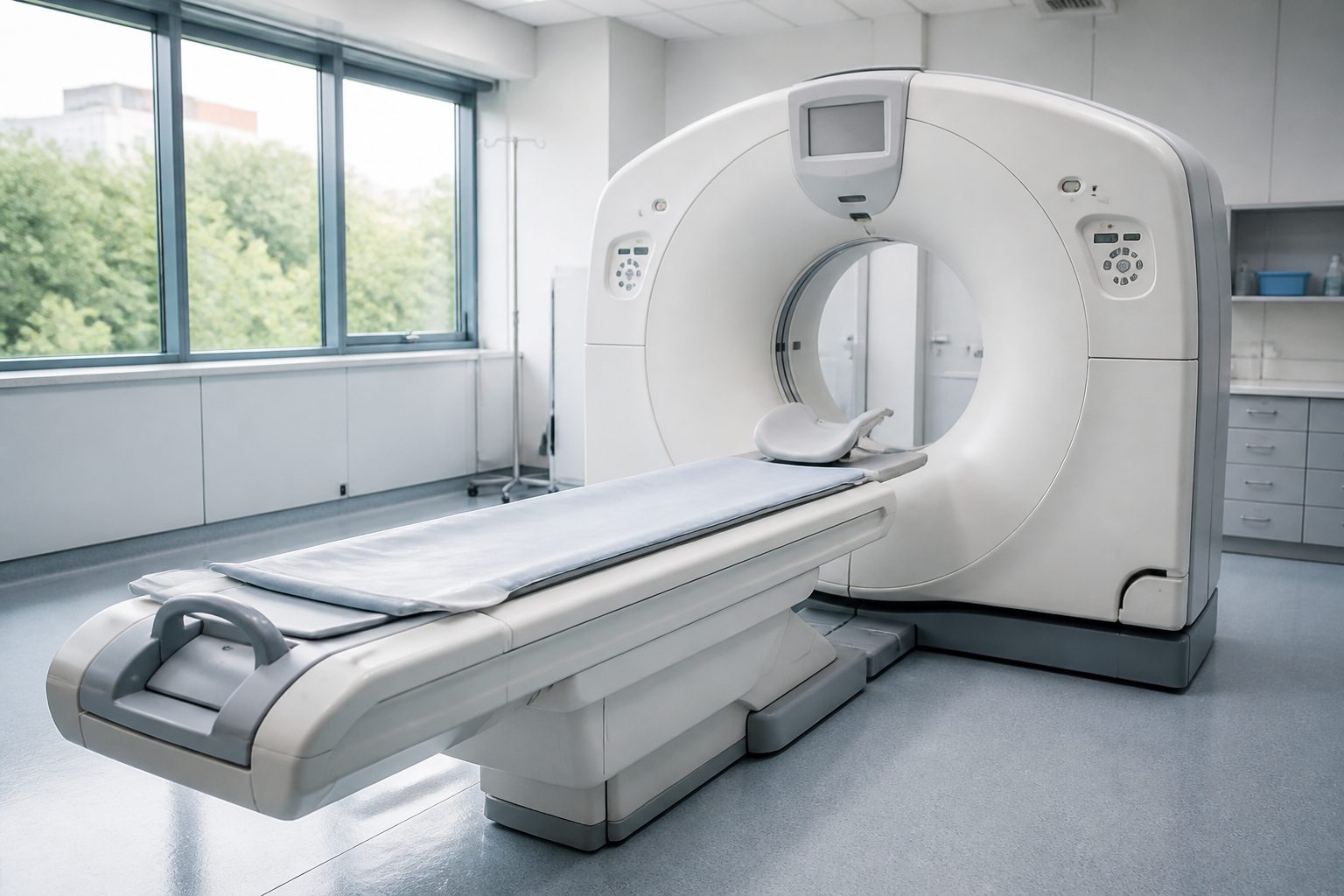
CT scans are a key diagnostic tool for many medical conditions, but the price can vary dramatically depending on where you get one. This guide compares typical CT scan prices in the USA, Europe, and Asia, and explains what affects the cost, what’s included, and how to make sense of your options as an international patient or a local resident.
For patients and families comparing healthcare costs, a CT scan in the US can range from $250 to $2,000 or more, while in Europe prices are usually lower, and in Asia some hospitals offer scans for as little as $40. Understanding what’s included in the price and what to expect is essential before booking your scan.
What is a CT scan and when is it needed?
A computed tomography (CT) scan is an advanced medical imaging technique that uses a series of X-ray measurements taken from different angles to produce detailed cross-sectional images of the body. These images allow doctors to see inside the body with much greater clarity than standard X-rays, making CT scans a crucial tool for diagnosing a wide range of conditions. The technology is commonly used to examine the head, chest, abdomen, pelvis, or even the entire body, depending on what your doctor needs to investigate.
CT scans are often recommended in situations where a standard X-ray cannot provide sufficient information. For example, if you suffer a head injury, a CT scan can help detect bleeding, swelling, or fractures in the skull or brain. In the abdomen, CT scans are used to identify tumors, infections, kidney stones, or appendicitis. They are also invaluable for detecting cancers, monitoring the progression of chronic diseases, evaluating the extent of trauma after an accident, and guiding biopsies or other procedures. In some cases, a CT scan is used as part of a preventive health check-up package, especially in private hospitals in Asia and Europe.
Depending on the area being scanned and the clinical question, your doctor may request that a contrast dye be used. This dye, which is usually injected into a vein, helps highlight blood vessels, tissues, or organs and can reveal abnormalities that might not be visible otherwise. The use of contrast can increase the overall cost and may require additional preparation or aftercare, such as blood tests to check kidney function. If you have allergies, kidney problems, or are pregnant, it is especially important to inform your doctor and the imaging center before the scan, as these factors could influence the type of scan ordered or the use of contrast.
Ultimately, the decision to order a CT scan is based on the balance of potential benefits and risks, such as exposure to radiation, cost, and the likelihood of obtaining useful diagnostic information. Always discuss with your healthcare provider why a CT scan is recommended in your specific case, what alternatives exist, and what you can expect before, during, and after the procedure.
Typical CT scan prices: USA, Europe, and Asia compared
The cost of a CT scan depends on the country, hospital type (public or private), the body part being scanned, and whether contrast dye is used. Below is a comparison of average prices for a single-region CT scan (such as head or abdomen) in various countries. Full-body scans and specialized protocols will cost more.
| Country/Region | Typical CT Scan Cost (USD) | Local Currency | What’s Usually Included |
|---|---|---|---|
| USA | $250-$2,000 | USD | Scan, radiologist report, basic consultation; contrast extra |
| UK | $250-$700 (£200-£550) | GBP | Scan, report; sometimes consultation |
| Germany | $350-$800 (€320-€730) | EUR | Scan, report, usually includes contrast |
| France | $200-$600 (€180-€550) | EUR | Scan, report |
| India | $40-$150 (₹3,300-12,500) | INR | Scan, report; contrast extra |
| Pakistan | $50-$200 (PKR 14,000-56,000) | PKR | Scan, report; contrast extra |
| Bangladesh | $60-$180 (৳6,500-20,000) | BDT | Scan, report; contrast extra |
| Indonesia | $80-$250 (Rp 1.2-3.9 juta) | IDR | Scan, report |
| Philippines | $100-$350 (₱5,500-19,000) | PHP | Scan, report |
| Thailand | $120-$400 (฿4,000-14,000) | THB | Scan, report; consult extra |
| Turkey | $150-$400 (₺4,900-13,000) | TRY | Scan, report; often includes consultation |
| Singapore | $250-$700 (S$330-S$930) | SGD | Scan, report; consult extra |
What’s included in the price?
Most CT scan prices cover the imaging procedure and a radiologist’s report. However, not all facilities include a consultation with a physician to explain the results. Contrast dye (if needed) is often extra, especially in Asia and the US, and may add $30-$200 to your bill. Some hospitals offer bundled health check-up packages, which may include blood tests, a physical exam, and other imaging such as ultrasound or X-ray. Always ask for an itemized quote so you know what is and isn’t included.
In the US and some European countries, prices can be higher if the scan is performed in a hospital rather than an outpatient diagnostics center. Insurance may cover part or all of the cost, but check your policy for details and approval requirements.
Hidden costs and what to watch for
When booking a CT scan, the advertised price is not always the final amount you will pay. Several hidden costs can arise, especially if you are a self-paying or international patient. Understanding these potential extra charges can help you budget more accurately and avoid unpleasant surprises.
- Contrast dye: If your doctor requests a scan with contrast, the price for the dye is often listed separately and can add significantly to the total cost. In some countries, contrast fees may include extra charges for blood tests to check kidney function before administration.
- Consultation fees: Some imaging centers or hospitals charge additional fees for a pre-scan consultation with a radiologist or for a post-scan review of your results. These costs can range from a modest sum in Asia to higher amounts in the US or Europe, especially if a specialist’s opinion is required.
- Repeat scans: If the initial images are unclear or incomplete (for example, due to patient movement or technical issues), you may need to repeat the scan. This can result in extra charges, particularly in private centers where repeat imaging is not included in the original fee.
- Additional tests: Some facilities promote bundled packages that include extra blood tests, ECGs, or other imaging studies. While these may be useful, they will increase your total bill. Always clarify what is included in the quoted price and whether these extras are medically necessary.
- Insurance exclusions: Not all insurance plans cover outpatient imaging or scans performed at private centers. Deductibles, co-pays, and pre-authorization requirements can also mean you pay more out of pocket than expected. In the US, some plans have high deductibles, while in Europe, public insurance may only cover scans at certain approved facilities. International patients should check if their travel or expatriate insurance covers imaging abroad.
- Administrative fees: Some hospitals or clinics charge extra for processing paperwork, providing digital copies of images, or translating reports, especially for international patients.
To protect yourself from unexpected expenses, always request a detailed, written breakdown of all potential costs before your scan. Ask specifically about contrast fees, consultation charges, and whether repeat scans will incur additional costs. If you are using insurance, confirm coverage in advance and ask the provider to check for any exclusions or requirements. For international patients, clarify payment methods, refund policies, and whether you will receive all necessary documentation for reimbursement in your home country.
How to save on CT scans safely
There are several safe ways to reduce your CT scan expenses:
- Compare multiple providers: Prices can vary even within the same city. Diagnostic imaging centers are often less expensive than hospitals.
- Avoid unnecessary scans: Ask your doctor if the scan is essential or if another test (like an ultrasound or X-ray) could provide the information needed at lower cost and radiation exposure.
- Look for packages: Some hospitals and diagnostic chains offer bundled health check-ups that include CT scans at a lower combined price.
- Travel for care: In some cases, traveling to a nearby country with lower costs can save hundreds of dollars, but factor in travel and accommodation expenses.
- Check for hospital accreditations: Look for centers accredited by JCI or national boards (such as NABH in India) to ensure quality and safety.
Do not compromise on quality or safety to save money. Always verify the credentials of the facility and the experience of the radiology team.
How CT scan prices compare with other imaging tests
When considering diagnostic imaging, cost is a significant factor for many patients. CT scans typically sit in the middle of the price spectrum, being more expensive than standard X-rays but generally less costly than advanced imaging like MRI or PET scans. However, the price of each imaging test can vary widely depending on the region, healthcare system, and whether the facility is public or private.
- X-ray: X-rays are the most basic and widely available imaging test, with prices ranging from $10-$100 in Asia, $30-$250 in Europe, and $50-$400 in the US. Costs are lowest in government hospitals or clinics, especially in countries with universal healthcare. In the US, costs can be higher due to facility fees and administrative overhead.
- CT scan: CT scans use more advanced technology and deliver more detailed images, which explains the higher price—$40-$500 in Asia, $100-$800 in Europe, and $250-$2,000 in the US. In Asia, competition among private clinics and less regulation can drive prices down, while in the US, the lack of price transparency and higher operational costs push prices upward. In Europe, prices are often standardized, especially in countries with national health services.
- MRI: Magnetic Resonance Imaging is even more costly due to the complex machinery and longer scan times. MRI prices range from $90-$800 in Asia, $250-$1,500 in Europe, and $400-$3,500 in the US. Insurance coverage, public subsidies, and whether sedation is needed can also influence MRI costs.
- PET-CT: PET-CT scans combine metabolic and anatomical imaging and are usually reserved for cancer diagnosis or staging. They are the most expensive, with costs of $400-$1,200 in Asia, $1,000-$2,500 in Europe, and $2,000-$6,000 in the US. These tests often require special radiotracers, highly trained personnel, and specialized equipment, all contributing to the higher price.
CT scans use ionizing radiation, unlike MRI, which uses powerful magnets and radio waves and is preferred for soft tissue imaging. PET-CT scans involve radioactive tracers, while X-rays deliver the lowest radiation dose but provide the least detail. Discuss with your doctor which test is most suitable based on your medical need, urgency, and budget. Also, ask about possible alternatives and whether your insurance covers the recommended scan, as this can significantly affect your out-of-pocket costs.
What drives the price of a CT scan?
The cost of a CT scan is influenced by a variety of factors that can differ significantly depending on your location, the type of facility, and the specific scan you need. Understanding these cost drivers can help you anticipate expenses and make informed choices when scheduling your scan.
- Country and city: Prices are typically highest in the United States, where a lack of price transparency, higher administrative costs, and complex insurance systems drive up costs. Urban areas in high-income countries tend to charge more, especially at private hospitals. In contrast, prices are lower in much of Asia due to competition among private diagnostic centers and lower labor costs. In Europe, public hospitals often offer standardized prices, but private clinics may charge more.
- Type of scan: A standard single-region CT scan (e.g., just the head or abdomen) is less expensive than a multi-region or full-body scan. Scans that require contrast dye or specialized protocols (such as angiography or virtual colonoscopy) also cost more due to the additional materials and expertise involved.
- Machine quality: The technology used can impact both the cost and the quality of the images. Newer, high-slice CT scanners (such as 64-slice or 128-slice machines) provide faster scans and higher-resolution images, which can be crucial for certain diagnoses but come with higher operational and maintenance costs, often reflected in the price.
- Accreditation and reputation: Hospitals and imaging centers with international accreditation or a reputation for excellence often charge a premium, especially if they cater to medical tourists or international patients. These facilities may also offer additional services, such as multilingual staff, faster turnaround times, and more comfortable amenities.
- Urgency and timing: Emergency or after-hours scans are typically priced higher due to the need for immediate staff availability and rapid reporting. In some countries, urgent scans may only be available at certain hospitals or require an additional fee.
- Insurance and payment method: Whether you are self-paying, using private insurance, or covered by a national health system can greatly influence your out-of-pocket costs. In the US, insurance-negotiated rates can vary widely, and uninsured patients may be charged higher “list prices.” In Europe and Asia, public insurance or government subsidies may cover part or all of the cost, but private centers often require upfront payment.
In the US, complex billing systems, administrative overhead, and lack of standardized pricing contribute to higher scan costs. In Asia, the abundance of private diagnostic centers and price competition help keep prices affordable, especially for self-paying patients. In Europe, the presence of national health systems means standardized and often lower prices at public hospitals, but private clinics may set their own rates. To get the best value, compare prices between facilities, check what is included in the quoted cost, and ask about available discounts or payment plans.
How to choose a diagnostic center or hospital
When selecting where to get a CT scan, consider the following:
- Quality and safety: Choose a center with a good reputation, modern equipment, and qualified radiologists. Accreditation by JCI, NABH, or similar bodies is a plus.
- Experience with international patients: If you are traveling for care, look for centers with English-speaking staff and clear communication about pricing and processes.
- Location and convenience: Proximity to your home or hotel can make logistics easier, especially if you need follow-up visits.
- Transparency: Ask for a written estimate and clarification of what’s included in the quoted price.
- Turnaround time: How quickly will you receive your report? Some centers offer same-day results.
Check online reviews, ask for recommendations, and contact the hospital or center directly with any questions before booking.
Tips for planning your CT scan
Proper planning can help you avoid delays, reduce stress, and prevent unexpected costs when scheduling a CT scan. Here are detailed tips to ensure a smooth experience, whether you are having the scan in your home country or abroad:
- Check referral requirements: Most imaging centers require a doctor’s prescription or referral, especially in Europe and the US. In some Asian countries, walk-in scans are possible at private clinics, but a referral is still recommended for insurance purposes and to ensure the correct test is ordered.
- Understand pre-scan instructions: Ask your doctor or the imaging center if you need to fast (usually for abdominal or pelvic scans, especially with contrast) or temporarily stop certain medications, such as metformin or blood thinners. Clarify how long you should fast and whether you can drink water.
- Allergy and medical history disclosure: Inform the staff about any allergies, particularly to iodine or shellfish (common in contrast dye), and disclose any history of kidney problems, asthma, or previous reactions to imaging agents. This is crucial for your safety and may affect the scan protocol or require pre-medication.
- Prepare documentation: Bring your identification, insurance card (if applicable), and payment method. Some facilities require payment upfront, especially for international or self-paying patients. Having all documents ready can speed up registration.
- Arrive early: Plan to arrive at least 15-30 minutes before your appointment to complete paperwork and allow time for any unexpected delays. This is especially important in busy urban hospitals in the US and Europe, where wait times can be longer.
- Pregnancy precautions: If you are or might be pregnant, notify the staff immediately. CT scans are generally avoided during pregnancy unless absolutely necessary, and alternative imaging may be recommended.
- Request digital copies: Ask for a digital copy of your images and the radiologist’s report. This is useful for sharing with your doctor, seeking a second opinion, or keeping for your personal health records. In some countries, you may be given a CD, USB drive, or access to an online portal.
- Language and report acceptance: For international patients, confirm the language in which the report will be issued and check if it will be accepted by your home country’s medical providers or insurance. Some centers offer reports in multiple languages or provide certified translations for an additional fee.
Planning ahead not only helps prevent surprises but can also save you money by allowing you to compare prices, check insurance coverage, and avoid unnecessary repeat visits. If you are traveling for medical care, research the reputation and accreditation of the imaging center, and consider reaching out to patient coordinators for assistance with logistics and paperwork.
Frequently asked questions
Is a CT scan safe?
CT scans use a low dose of ionizing radiation, which slightly increases your lifetime risk of cancer. For most people, the diagnostic benefit outweighs the risk. Pregnant women and young children should have CT scans only when absolutely necessary and with appropriate precautions.
How long does a CT scan take?
The scan itself usually takes 5 to 15 minutes. If contrast dye is used, allow extra time for preparation and observation after the scan. Most patients can leave shortly after the procedure unless instructed otherwise by the staff.
Can I get a CT scan without a doctor’s referral?
This depends on the country and the diagnostic center’s policies. In many countries, a doctor’s referral is required for medical and legal reasons. Some health check-up packages may allow self-referral, but it’s best to consult a doctor for proper guidance.
Will my health insurance cover the cost?
Insurance coverage for CT scans varies by policy and country. In the US and some other countries, pre-authorization is often required. Some plans exclude outpatient imaging or require a co-pay. Always check with your insurer before booking the scan.
What should I bring to my CT scan appointment?
Bring your doctor’s referral, any previous imaging reports, identification, and your insurance card (if applicable). If you expect to pay out-of-pocket, bring a payment method. Inform the staff of any allergies or medical conditions before the scan.
Related guides
Disclaimer: Prices in this article are indicative and vary by case, hospital, and region. Always request a written quote and consult a qualified doctor before booking any diagnostic test or treatment.